Himalayan Blackberry Control
Blackberry Removal near Snohomish, WA
Himalayan blackberry is Western Washington's most aggressive invasive. Our mulching head works several inches into the surface layer, processing canes, crowns, and near-surface growth in one pass — more thorough than surface-only mowing — then we help you keep it from coming back.
The Blackberry Problem in Western Washington
Himalayan blackberry (Rubus armeniacus) is the most aggressive invasive plant species in the Pacific Northwest. Introduced in the late 1800s, it has spread to colonize virtually every disturbed piece of ground in Snohomish, King, Skagit, and Island counties. A single plant can produce 7,000–13,000 seeds per year, and its arching canes root where they touch the ground, allowing a single stand to expand 15–20 feet in every direction each growing season.
For Western Washington property owners, blackberry isn't just an annoyance — it's a property destroyer. Thick stands can swallow fences, damage outbuildings, block access roads, and reduce property values. The thorny canes create safety hazards and harbor rats, snakes, and other pests. And because of our region's 35–55 inches of annual rainfall and mild winters, blackberry grows year-round, never going fully dormant.
Why Standard Methods Fail
Most property owners start their blackberry battle with loppers, machetes, or a weed whacker. These tools cut the canes above ground, but the root crown — a massive woody structure that can be 12 inches in diameter and 6–10 feet deep — remains intact. Within weeks, vigorous new canes sprout from the root crown, often growing faster than before because the plant's entire root energy is directed into fewer shoots.
Herbicide programs can suppress blackberry, but they take repeat applications across several seasons. Many properties in Western Washington border salmon-bearing streams, wetlands, or drinking water sources where herbicide use is restricted or prohibited. Chemical treatment also leaves dead standing canes that still need to be physically removed.
Bulldozing and grubbing can remove blackberry but destroy topsoil in the process. In Western Washington's silty, clay-heavy soils, this creates erosion problems and leaves bare ground that's quickly recolonized by the very seeds the bulldozing scattered.
Why Our Mulcher Beats Surface-Only Mowing
This is where our equipment earns its keep. A mower or brush cutter only shaves the canopy off at ground level. Our forestry mulching head works several inches into the surface layer, so we process the canes, the woody root crowns, and the near-surface runners together instead of leaving the plant's energy storage intact. That is materially more thorough than surface-only mowing or simple brush knockdown, and it is the main reason mulched blackberry comes back weaker and slower.
The mulch layer left behind serves a dual purpose: it suppresses remaining seed by blocking sunlight, and it provides organic matter that helps establish competitive ground cover. The result after a single pass is a clean, usable site with the plant knocked hard back.
Being straight with you: Himalayan blackberry can still regenerate from deeper roots and from seed banked in the soil, so we do not sell permanent eradication. We recommend watching the area through the next growing season and, where regrowth shows up, a follow-up pass 4–6 months later. That second pass costs a fraction of the first, and it is what turns a thorough first clearing into durable control.
Our Blackberry Removal Process
We start with a free property assessment to evaluate the extent of your blackberry infestation. We map the affected areas, identify the densest stands, and note any obstacles — utilities, structures, waterways — that require special attention.
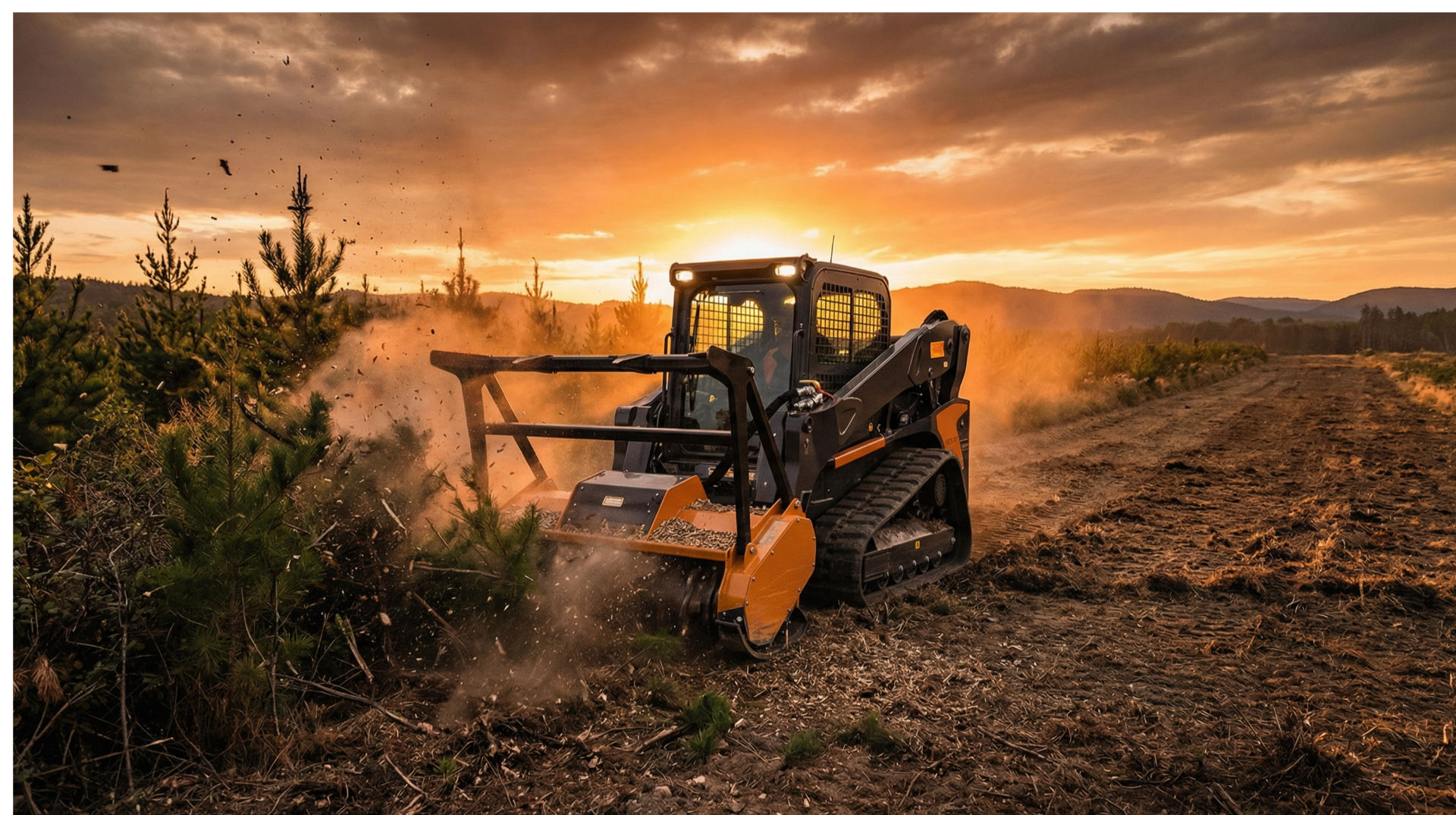
Our CAT 275XE running an HM415 mulching attachment makes quick work of even the most massive blackberry thickets. We systematically clear from the perimeter inward, working several inches into the surface layer so canes, crowns, and near-surface growth are processed rather than merely cut — materially more thorough than surface-only mowing or brush hogging. The finish is soil-forward: fine woody fragments incorporated into the upper layer, not a coarse debris mat. Deeper roots and banked seed can still regenerate, so monitoring and a follow-up pass may be needed.
After clearing, we provide a site-specific regrowth management plan. This typically includes recommendations for seeding with competitive native grasses, scheduling a follow-up clearing pass, and establishing an annual maintenance routine. The goal is durable control you can maintain — not a cosmetic cut that grows back by summer.
Blackberry Removal Across Western Washington
We remove blackberry on properties of every size across our service area. In urban Everett and Marysville, we clear residential lots where blackberry has overtaken backyard fences and property edges. In rural Monroe and Arlington, we reclaim multi-acre parcels that have been abandoned to blackberry for years or decades.
Skagit County agricultural properties around Mount Vernon and Sedro-Woolley face constant pressure from blackberry encroaching on field edges and irrigation ditches. Our clearing services restore productive farmland and prevent blackberry from damaging fencing and equipment.
On Camano Island and in the Stanwood area, blackberry frequently shows up alongside other invasives like English ivy and Scotch broom. We process all of that woody growth in the same pass, which gives whatever you plant afterward a real chance to establish.
The Western Washington climate — mild, wet winters and warm summers — creates perfect growing conditions for blackberry 365 days a year. This is why professional removal with industrial equipment is so much more effective than DIY approaches that can't keep pace with the plant's relentless growth rate.
Protecting Your Property After Removal
The most critical period after blackberry removal is the first growing season. Seeds that were buried in the soil will germinate once exposed to sunlight, and any root fragments deeper than our mulching head can reach may send up new shoots. This is normal and manageable.
We recommend overseeding cleared areas with a Western Washington-adapted grass mix within 2–4 weeks of clearing. Tall fescue, perennial ryegrass, and white clover establish quickly in our climate and create dense ground cover that outcompetes blackberry seedlings for sunlight and nutrients.
For properties where blackberry borders neighboring land, edge maintenance is essential. We offer annual clearing of buffer zones to prevent re-invasion from adjacent properties. A 10-foot cleared buffer, maintained annually, effectively stops blackberry from reclaiming your cleared land.
Real Projects
Blackberry Removal: the same ground, before and after
Every photo is a real Sasquatch Land Co. job, shot from the same spot before and after. Drag the handle to see the difference.
Blackberry Removal
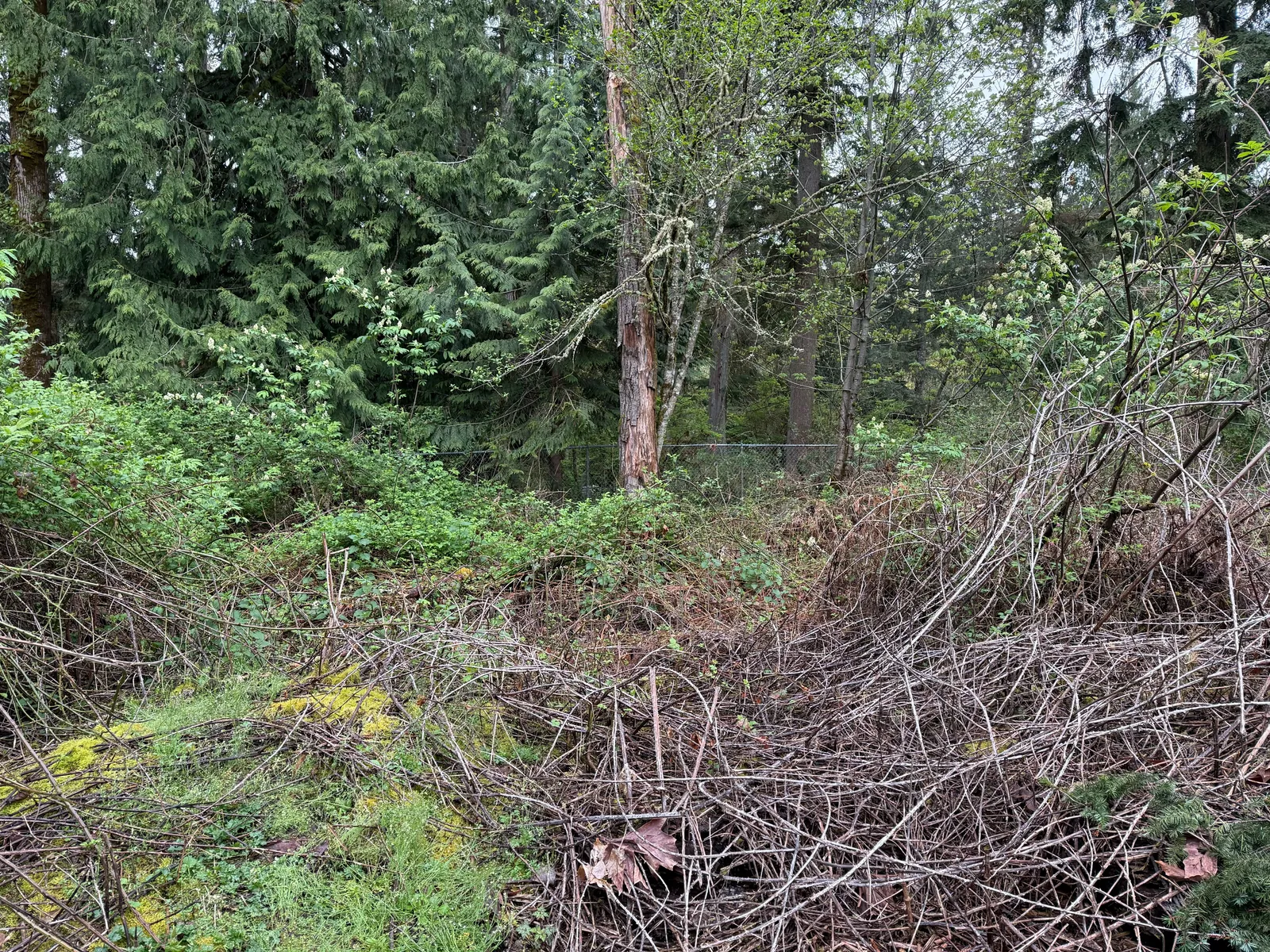
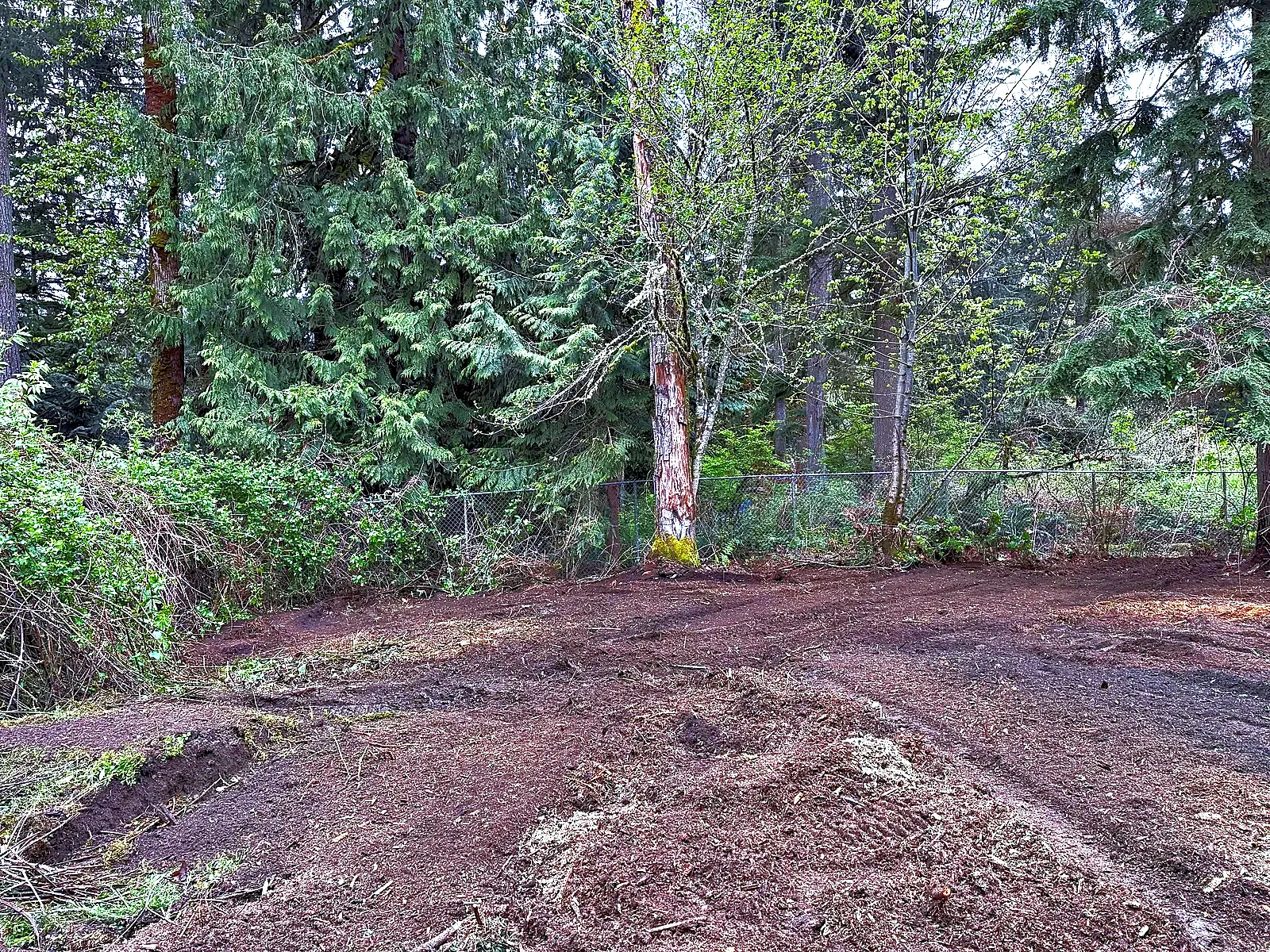
Blackberry-choked fence line, mulched flat
Same fence line and same cedar snag. The mulching head works several inches into the surface layer, so canes and root crowns get processed — more thorough than surface-only mowing. Blackberry can still regenerate from remaining root crowns or seed, so follow-up may be recommended.
Read the project notesBefore & After
Blackberry Removal Results
Real before-and-after results from Sasquatch Land Co. projects across Snohomish County and the surrounding region.
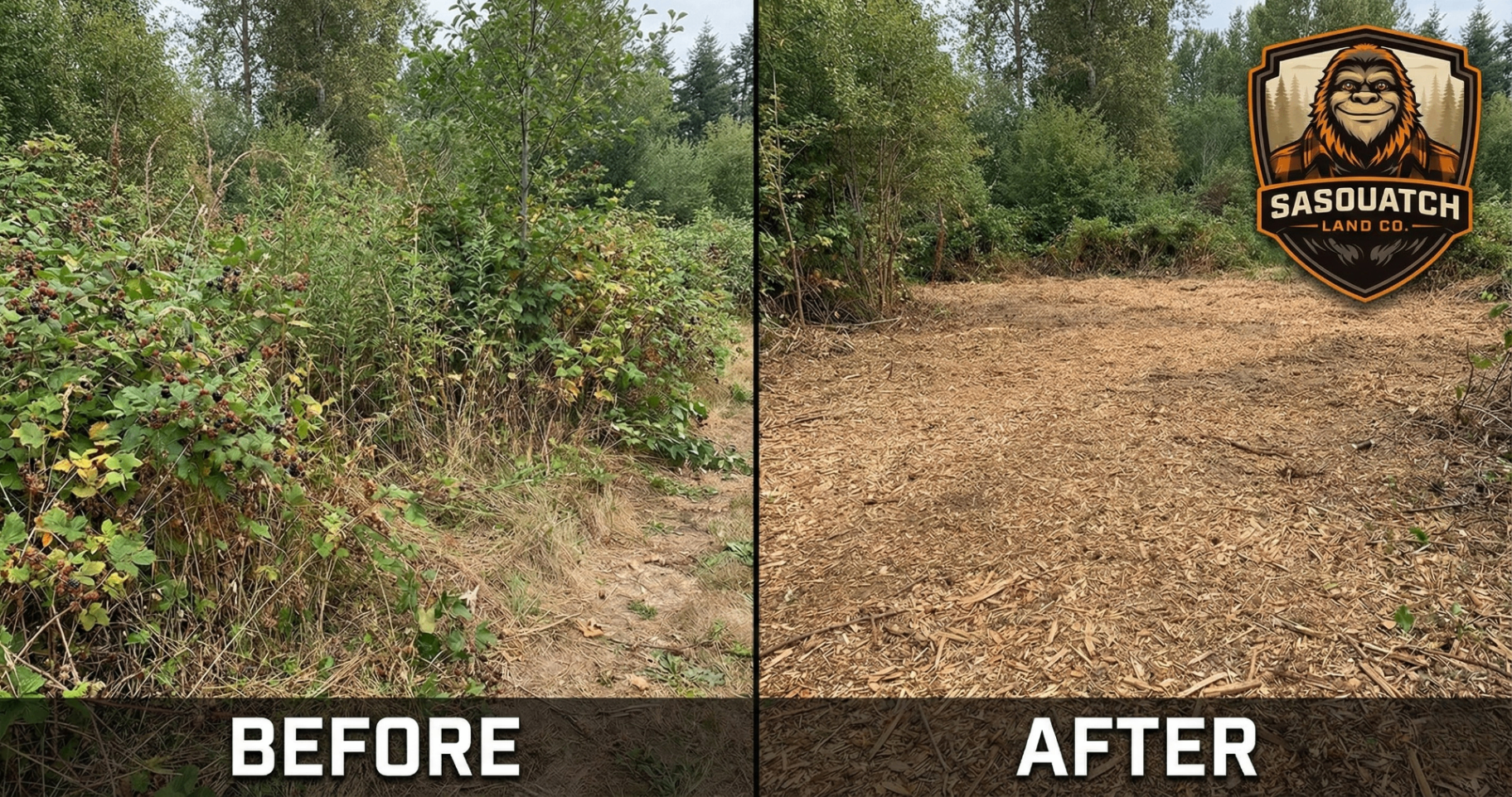
Blackberry Removal — Snohomish County
Aggressive Himalayan blackberry cleared and mulched in a single day, leaving nutrient-rich ground cover.
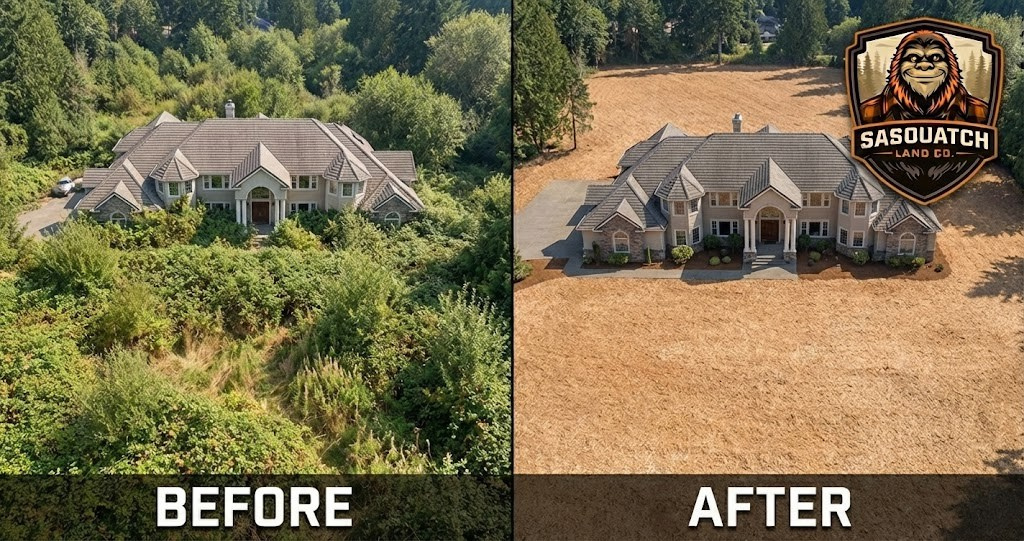
Residential Property Reclamation
Overgrown lot around this home completely transformed, restoring curb appeal and usable yard space.
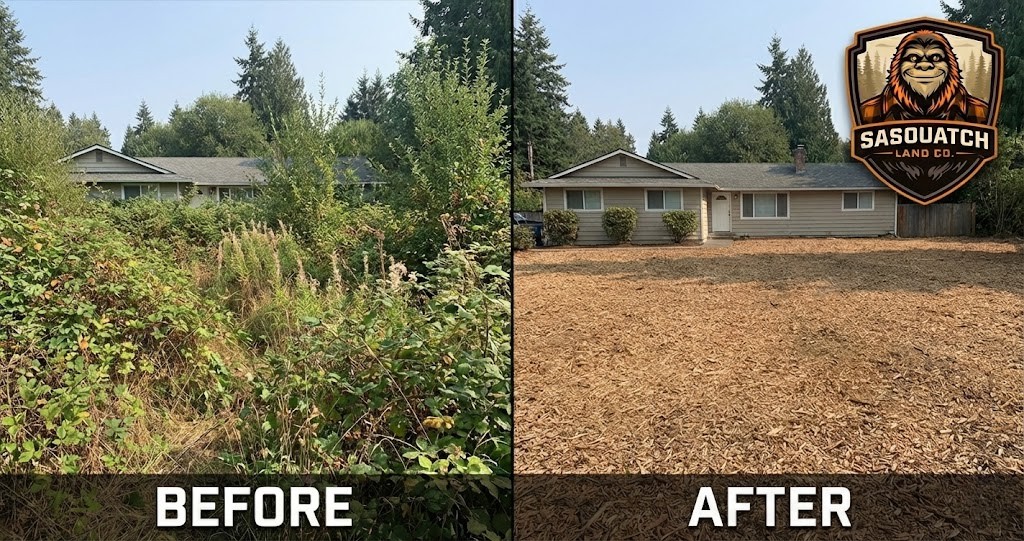
Full Yard Clearing — Western WA
Dense brush and invasive growth removed from a residential property, returning the entire yard to the homeowner.
Who You'll Meet
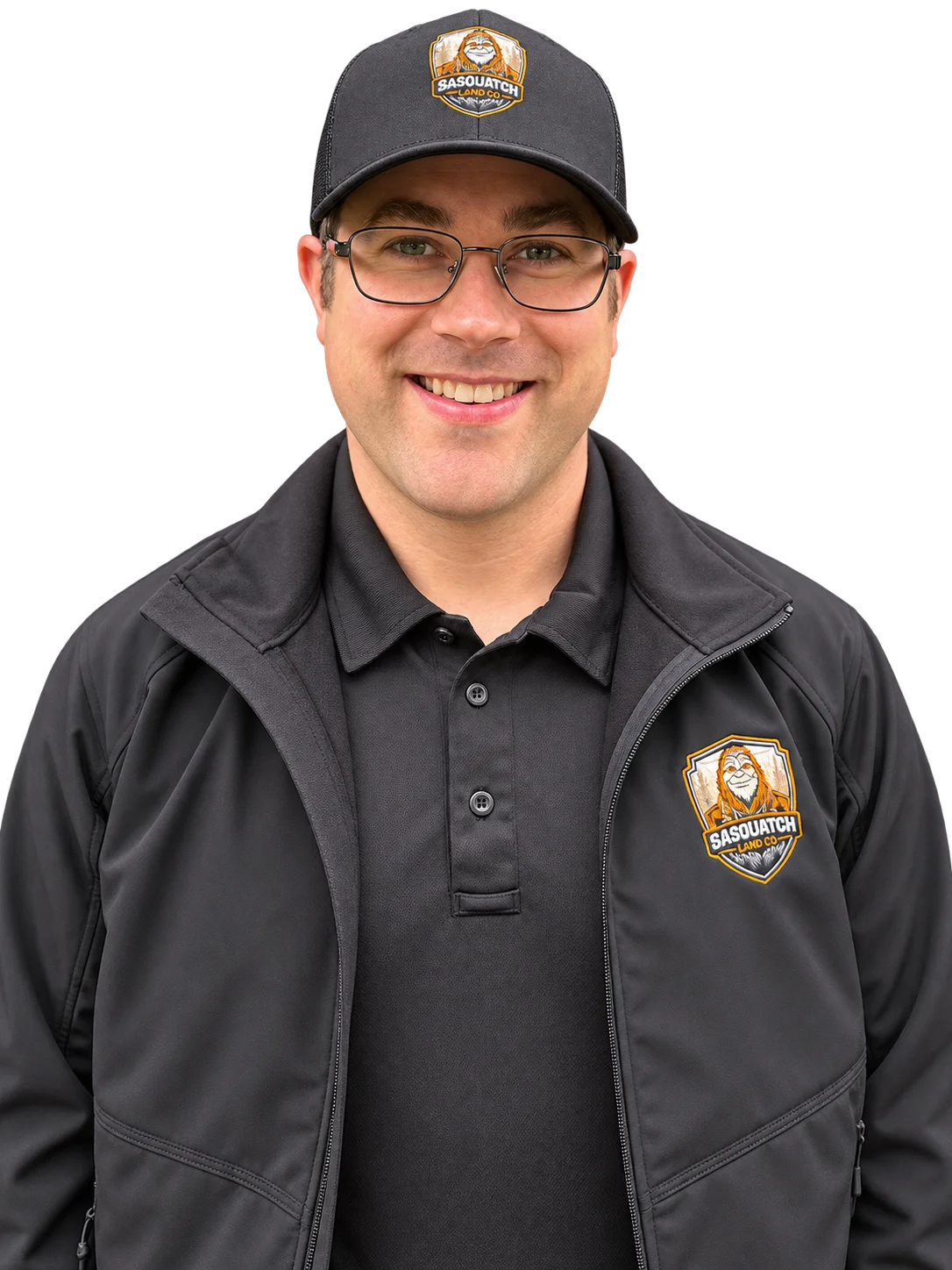
Meet Eric — Your Sasquatch Operator
Eric is the experienced operator you can expect to see running the machine on your property. He walks the scope with you first, protects the trees, fences, and features that should stay, and works toward one thing: clean, usable ground you can actually walk.
- Local Operator
- Licensed & Insured Team
- Real Project Photos
Ready to Get Started?
Free estimates within 48 hours. Most jobs completed in a single day. No hidden fees, no surprises.
Request Your Free QuoteFrequently Asked Questions
Blackberry Removal FAQ
Areas We Serve for Blackberry Removal
Looking for professional blackberry removal near you? We work within about 45 miles of Snohomish, including these communities:
Get Your Free Blackberry Removal Estimate
Call now or fill out our form for a free, no-obligation quote. Most estimates scheduled within 48 hours.