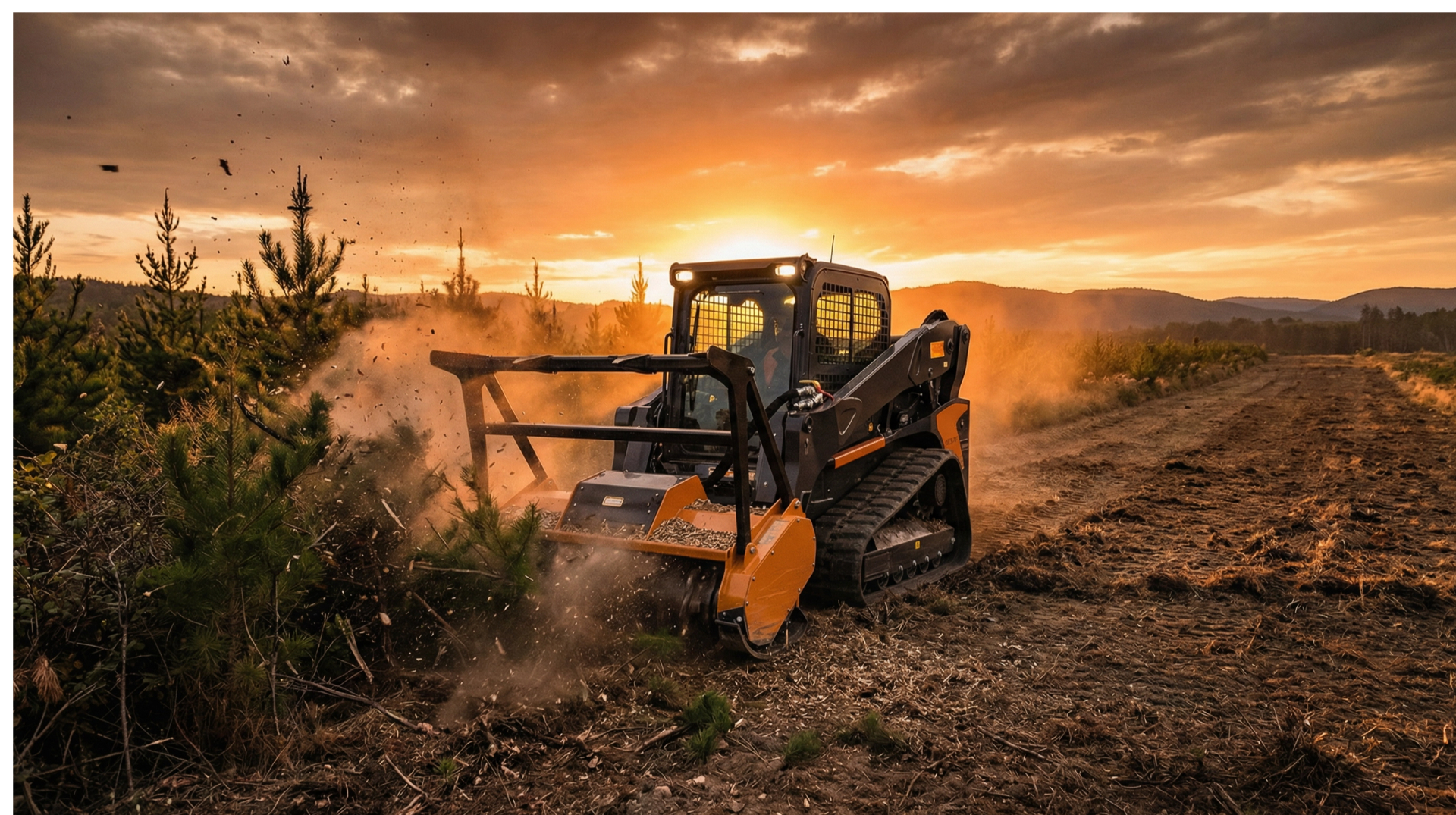
Boundary Restoration
Fence Line Clearing near Snohomish, WA
Restore overgrown fence lines and property boundaries with professional clearing. We cut through blackberry, brush, and small trees so you can repair, replace, or maintain your fencing.
Before & After
Fence Line Clearing Results
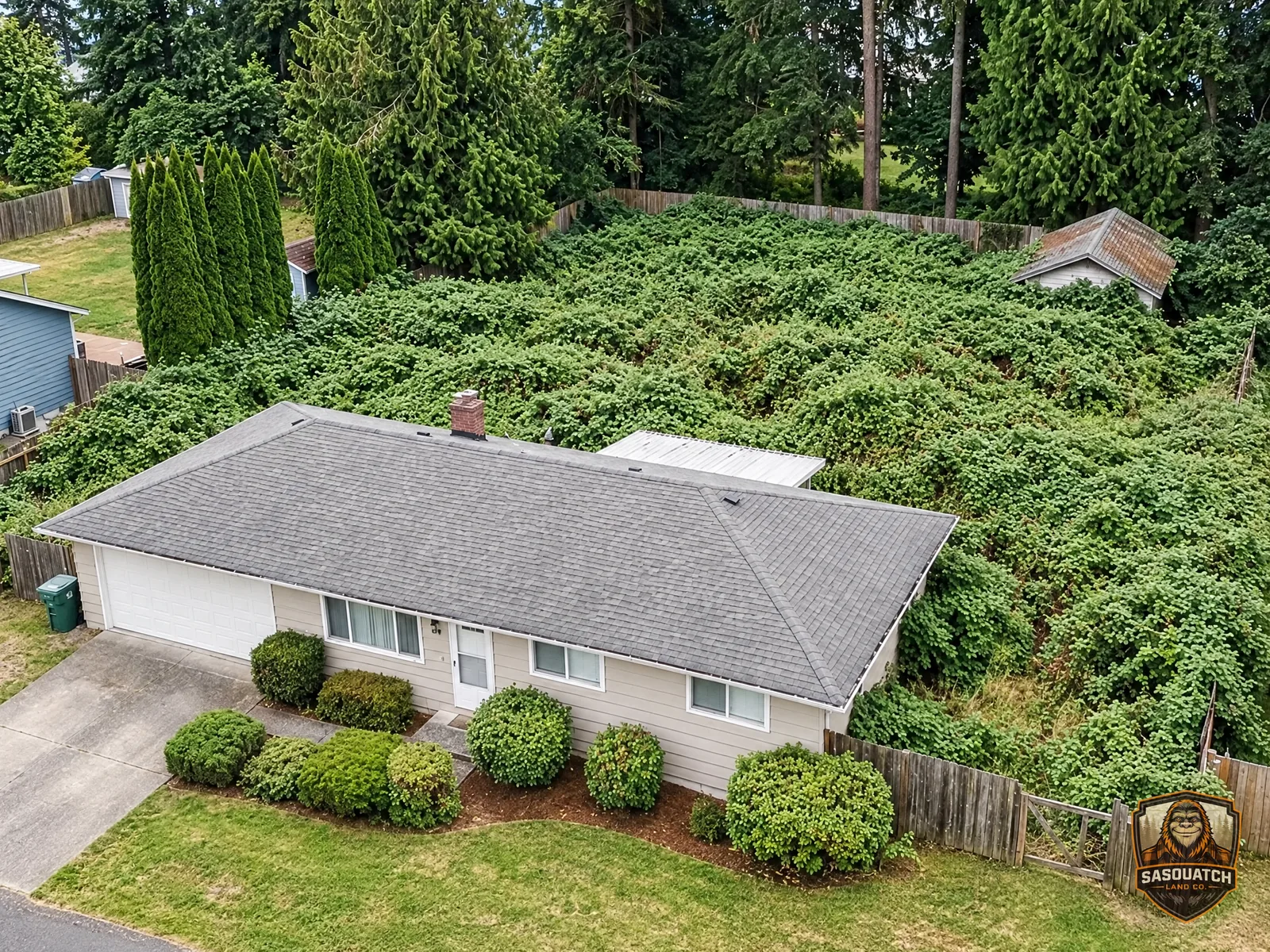
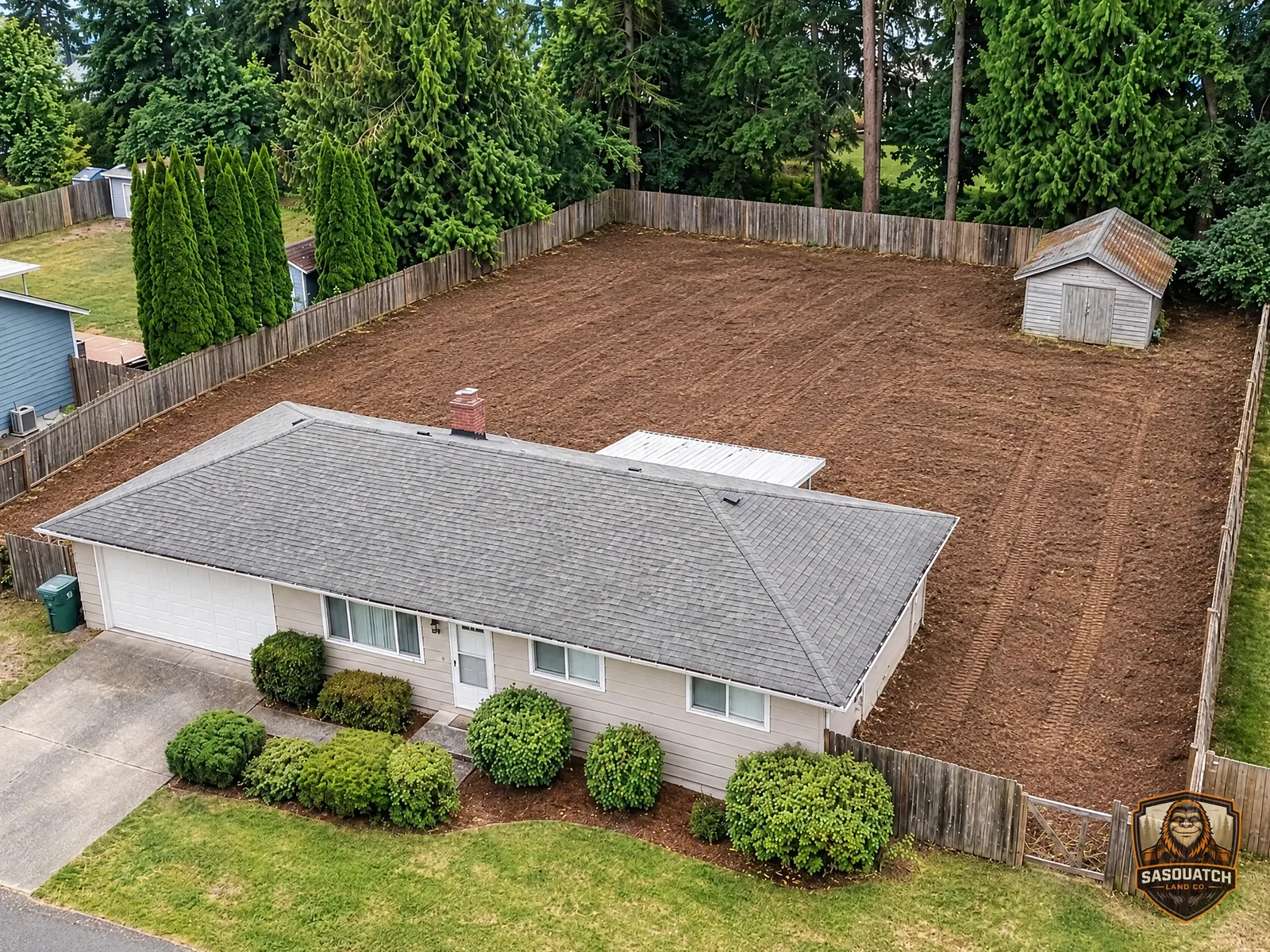
Before and after from the same spot and the same angle. Drag the handle to see the ground change.
01
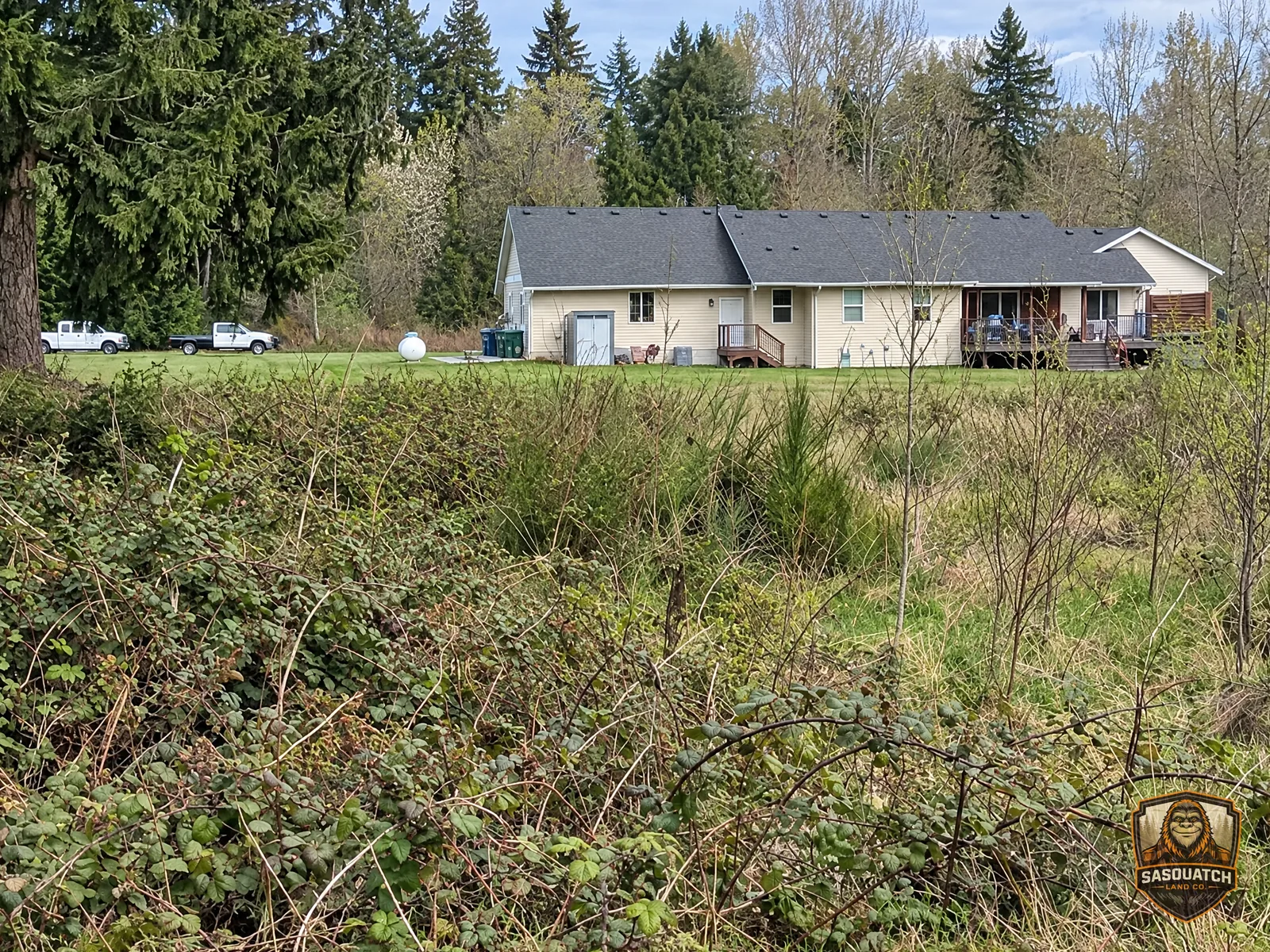
Backyard buried in blackberry, opened to the fence line
Same house, same fence, same shed. The blackberry was ground out crowns and all and left as mulch, so the yard is usable right up to the fence line.
02
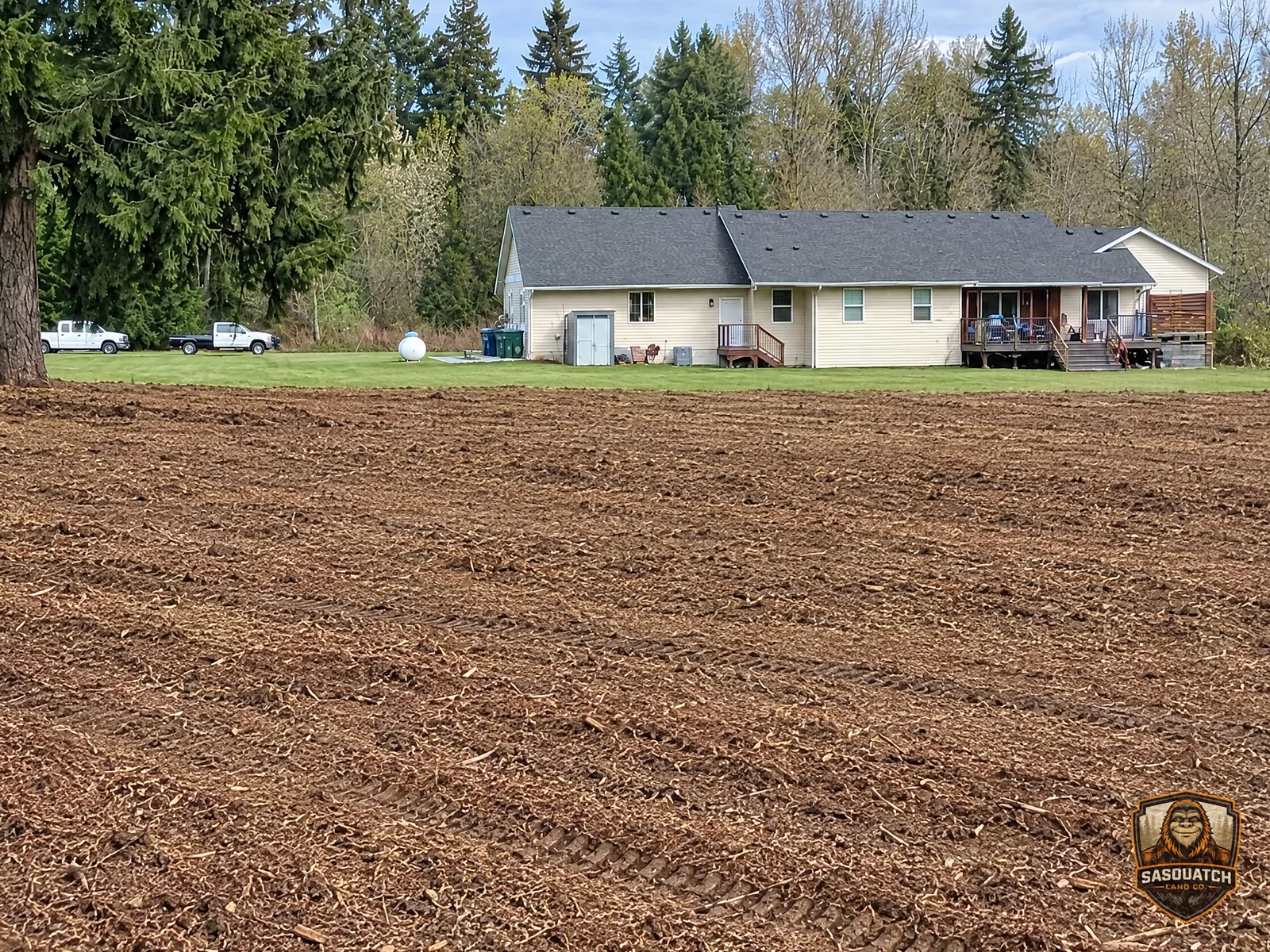
Blackberry field behind the house, mulched flat
Same house, same trucks, same big fir on the left. The whole field was mulched flat in place.
This page covers narrow corridor work along an existing or planned fence line. If you need overgrowth taken off open ground rather than a boundary, that is brush clearing.
What you get
01
Clear both sides of fence rows
02
Preserve existing fence infrastructure
03
Blackberry and invasive removal
04
Trees up to 12" diameter processed
05
8–12 foot working corridors created
06
Agricultural and residential fence lines
07
No hauling — mulch stays on-site
08
Free fence line assessment
The details · Fence Line Clearing
Everything you'd ask on the walk
Tap any topic to read it. Brandon covers all of it on your property, free.
Why Fence Line Clearing Matters
Overgrown fence lines are one of the most common property maintenance problems across Western Washington. The Pacific Northwest's aggressive growing season means blackberry vines, alder saplings, and salal can completely engulf a fence row in just 2–3 years. Once vegetation takes hold, it damages fence posts, stretches and breaks wire, and makes boundary inspection impossible.
Neglected fence lines also create liability issues. If you can't see your property boundary, disputes with neighbors become more likely. For agricultural properties, compromised fencing means livestock escapes and potential damage to neighboring crops or roadways. Sasquatch Land Co. clears fence rows down to a clean, soil-forward corridor so you can properly assess, repair, or replace your fencing.
Our Fence Line Clearing Process
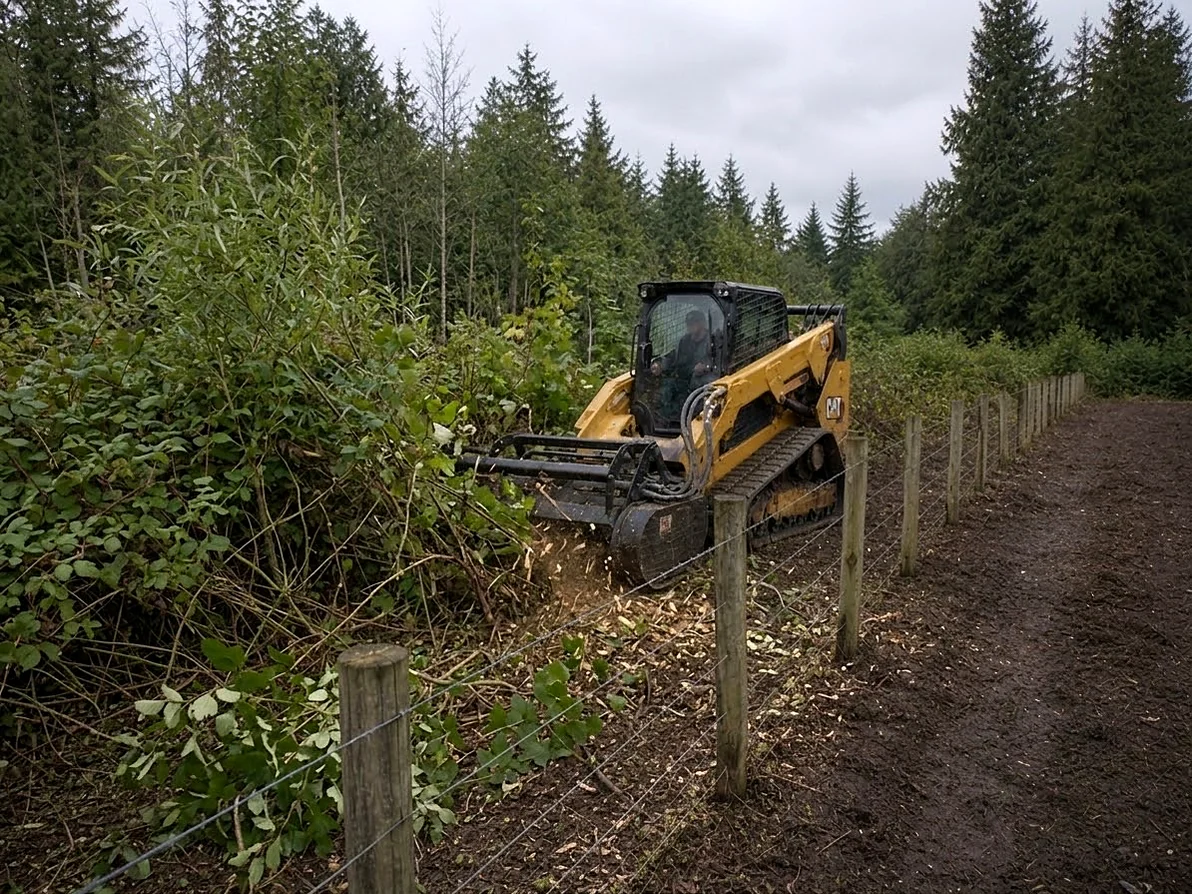
We use a combination of forestry mulching and targeted brush clearing to restore fence lines efficiently. Our CAT 275XE carrying an HM416 mulching attachment processes vegetation on both sides of the fence row in a single pass, working several inches into the surface layer rather than skimming across it. The finish is soil-forward — fine woody fragments incorporated into the upper layer, not a thick blanket of coarse debris.
For active fencing that needs to remain in place, we carefully clear vegetation away from posts and wire without damaging the existing infrastructure. For fence lines that need complete replacement, we clear a full working corridor — typically 8–12 feet wide — giving your fencing crew room to work and ensuring the new fence stays accessible for future maintenance.
We can clear fence lines of any length, from a short residential boundary to miles of agricultural fencing across large properties in Skagit and Snohomish counties.
Common Fence Line Problems in Western Washington
Himalayan blackberry is the number one fence line invader in our region. Its aggressive canes can grow 15–20 feet in a single season, wrapping around fence posts and wire until the entire structure is buried. Our HM416 mulching attachment works several inches into the surface layer, processing canes and root crowns rather than skimming them off at ground level — longer-lasting results than simple mowing, though deeper roots and banked seed can still regenerate.
Red alder is another frequent problem. Fast-growing alder saplings can push fence posts out of alignment and lift wire off the ground within a few years. Bigleaf maple seedlings cause similar issues with their aggressive root systems. Our mulching head processes these trees up to 12 inches in diameter, grinding them to ground level without disturbing your fence infrastructure.
In rural areas, cattle panels and wire fencing often run through wooded corridors where decades of growth have made the fence completely invisible. We've restored fence lines in Monroe, Arlington, and Stanwood where the fence hadn't been visible for 10+ years.
Ready to Get Started?
Free estimates within 48 hours. Most jobs completed in a single day. No hidden fees, no surprises.
Frequently Asked Questions
Fence Line Clearing FAQ
Areas We Serve for Fence Line Clearing
Looking for professional fence line clearing near you? We work within about 45 miles of Snohomish, including these communities:
Get Your Free Fence Line Clearing Estimate
Call now or fill out our form for a free, no-obligation quote. Most estimates scheduled within 48 hours.
