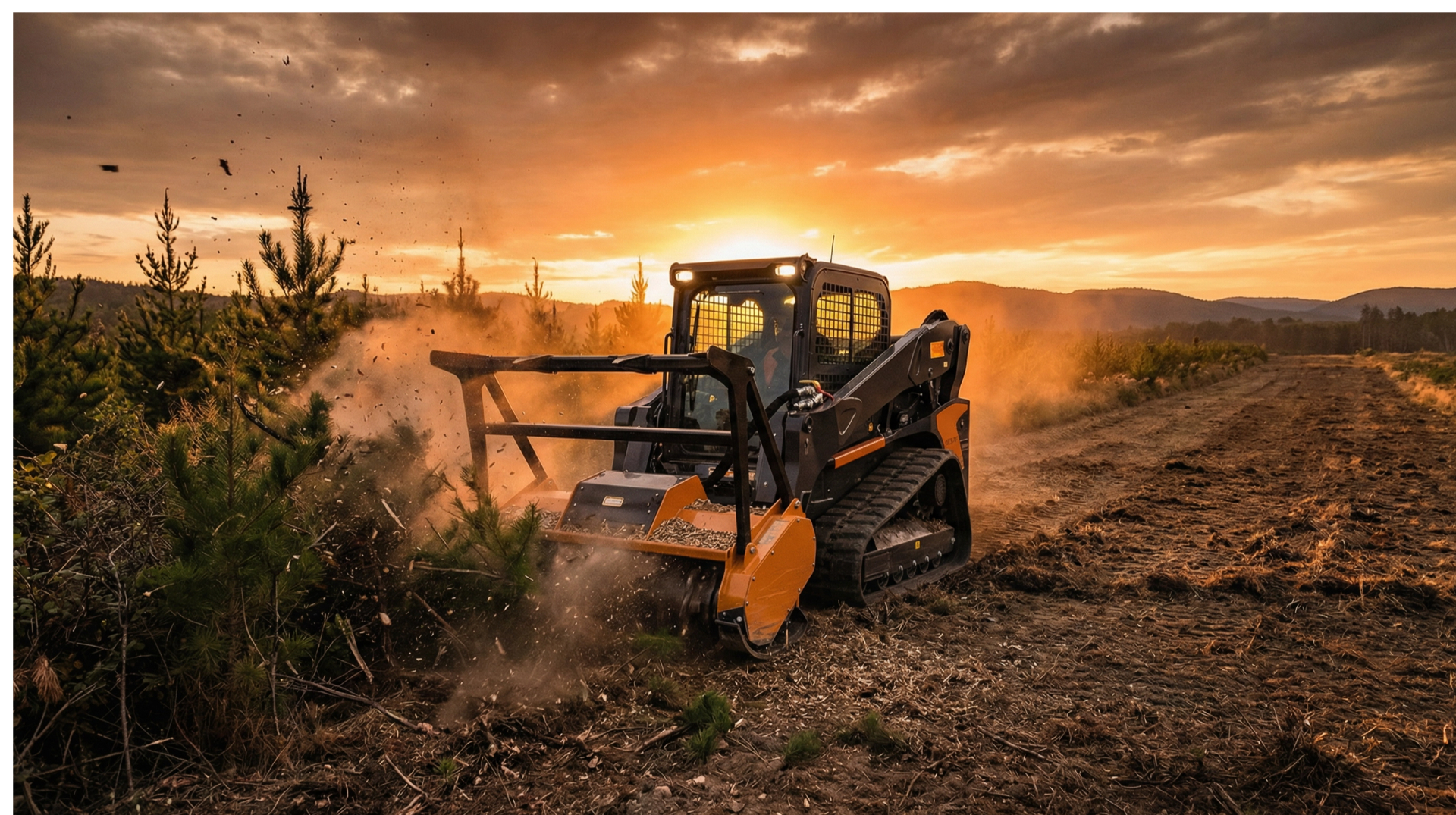
Overgrowth Elimination
Brush Clearing near Snohomish, WA
Overgrown brush, field grass and cane thickets cleared in place across Snohomish, King, Skagit and Whatcom counties — brush hogged where that is the right tool, mulched where it is not.
Real Projects
Brush Clearing: the same ground, before and after
Every photo is a real Sasquatch Land Co. job, shot from the same spot before and after. Drag the handle to see the difference.
Forestry Mulching
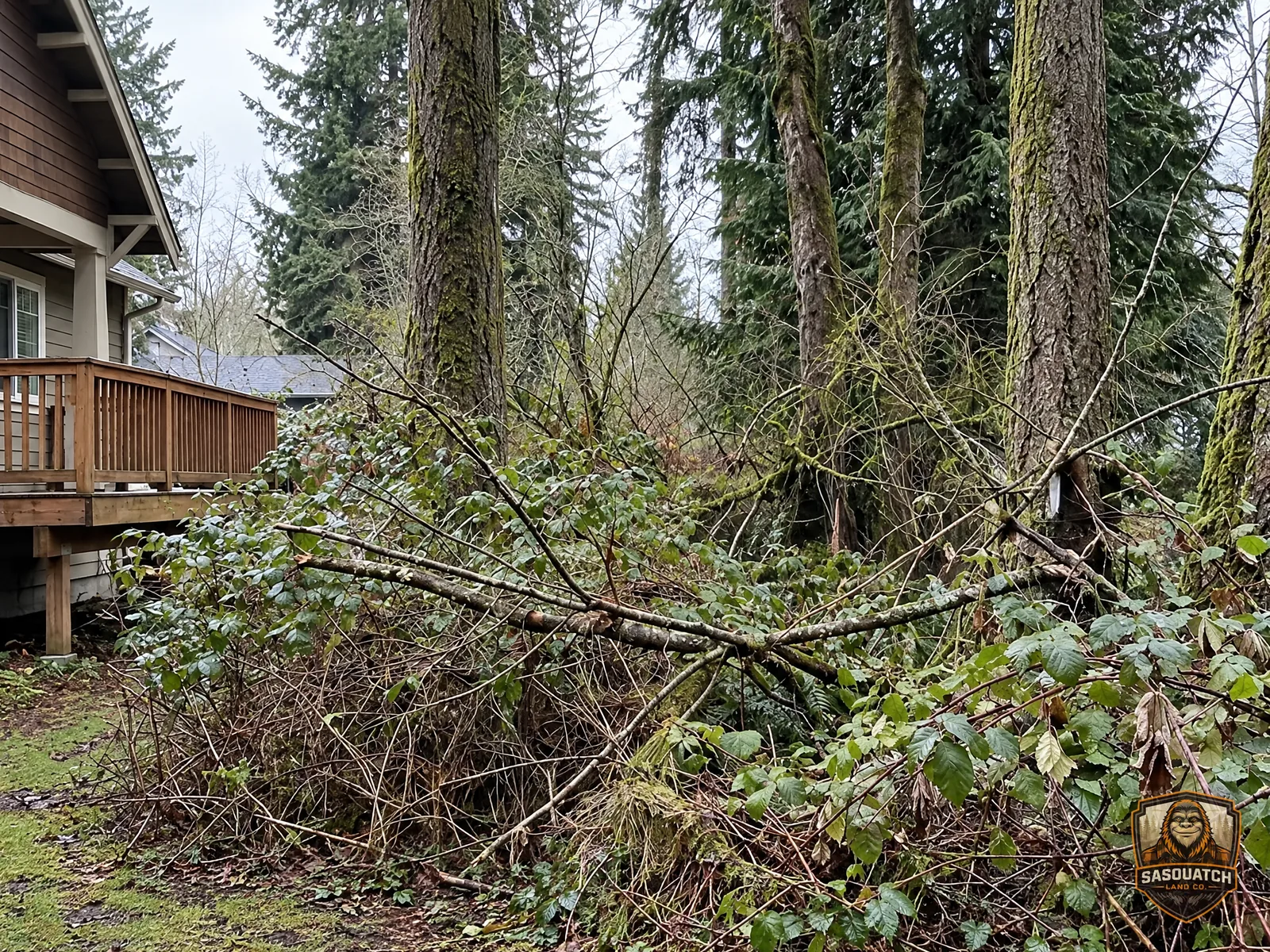
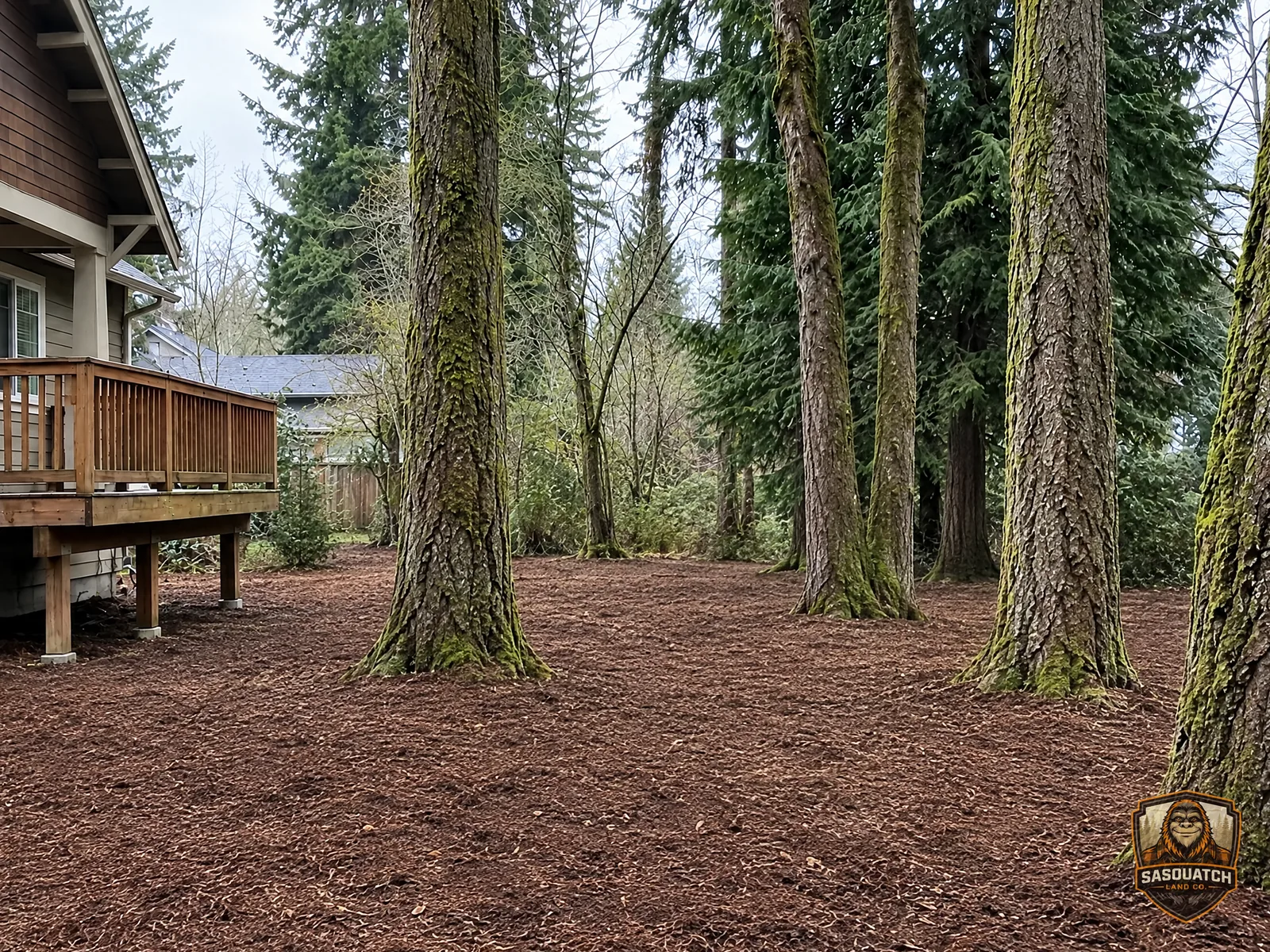
Tangled forest floor turned into walkable woods
Every big tree stayed. The tangle underneath was mulched into a clean forest floor you can walk again.
Before & After
Brush Clearing Results
Before and after from the same spot and the same angle. Drag the handle to see the ground change.
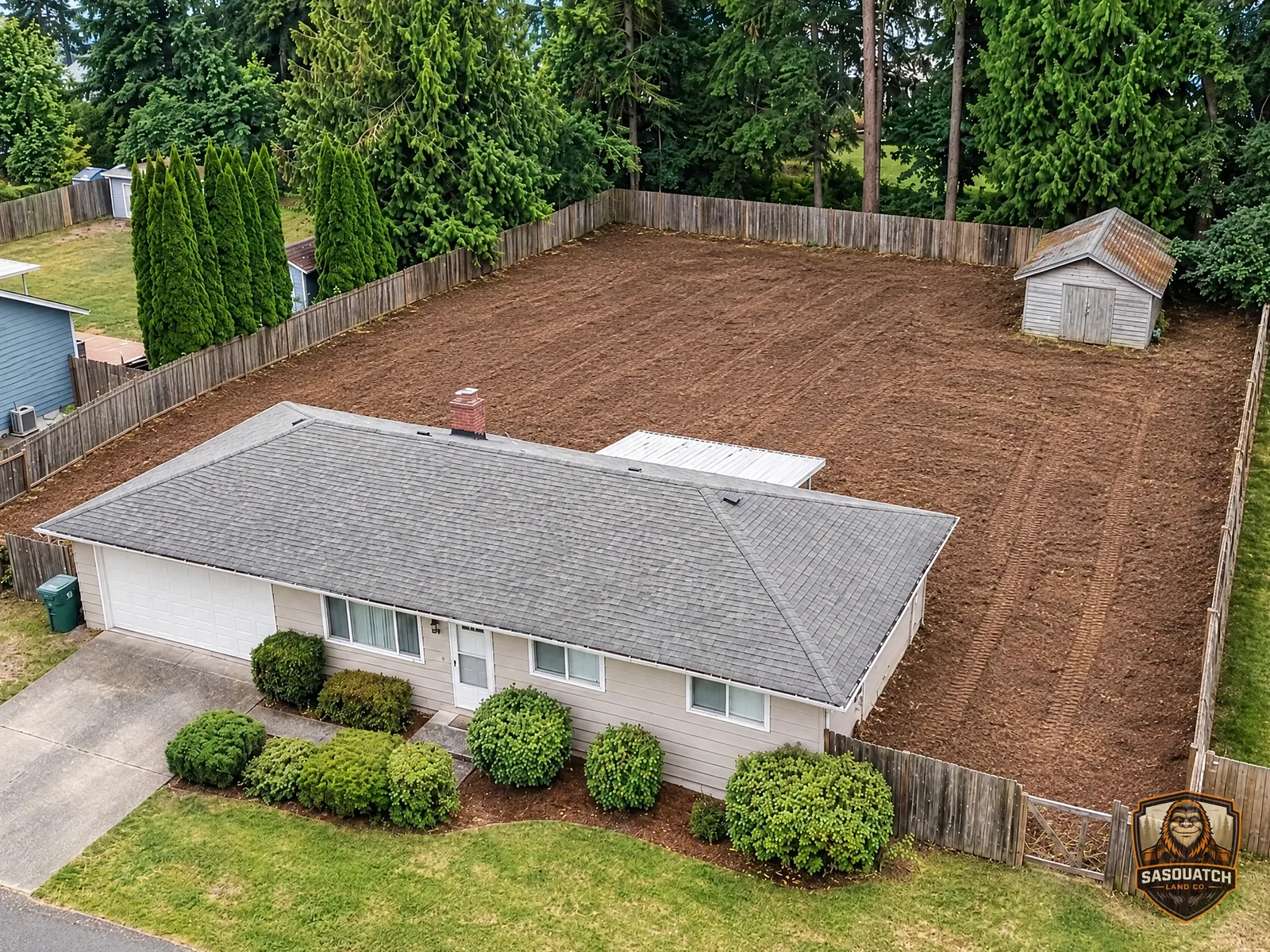
01
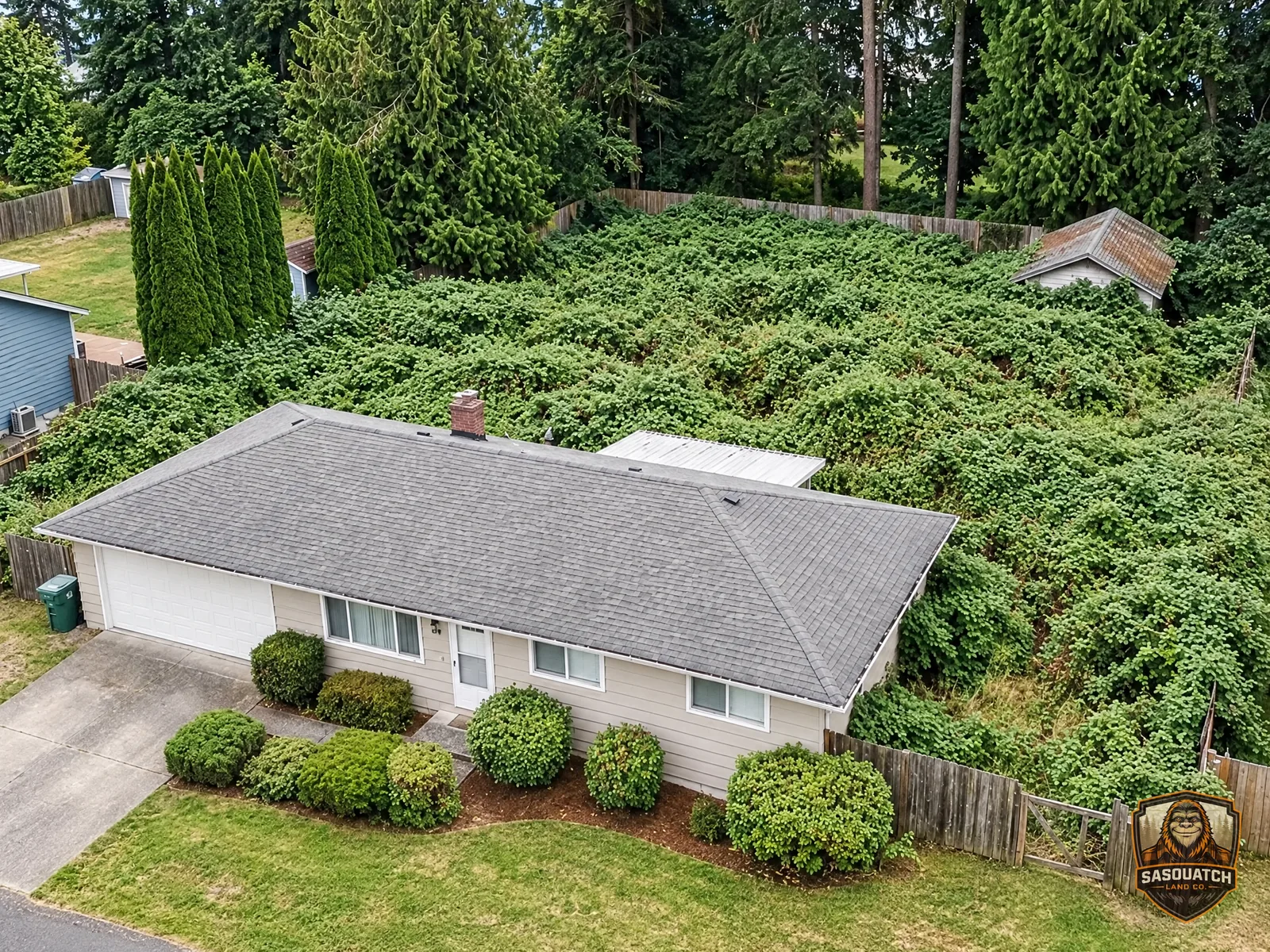
Backyard buried in blackberry, opened to the fence line
Same house, same fence, same shed. The blackberry was ground out crowns and all and left as mulch, so the yard is usable right up to the fence line.
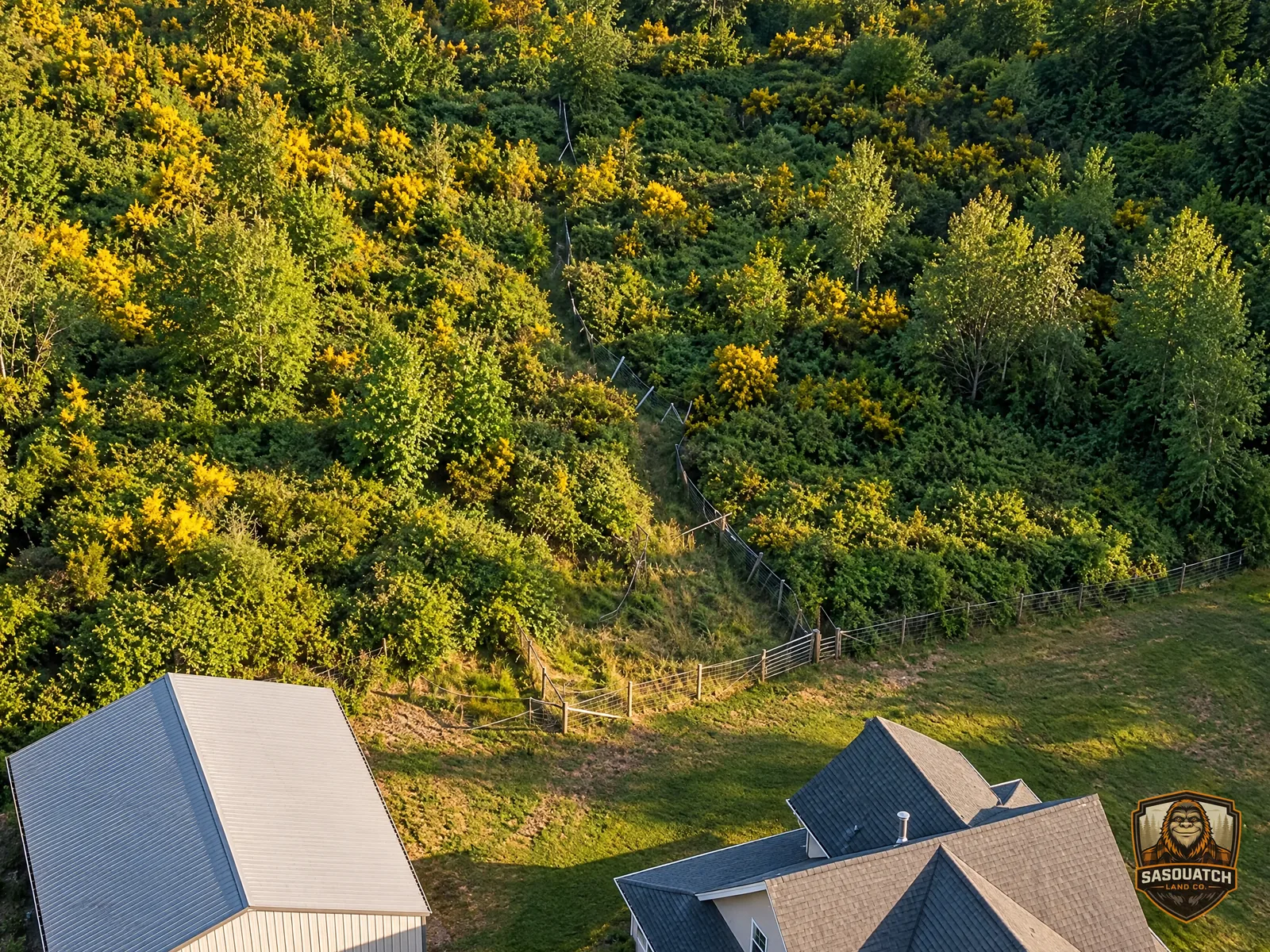
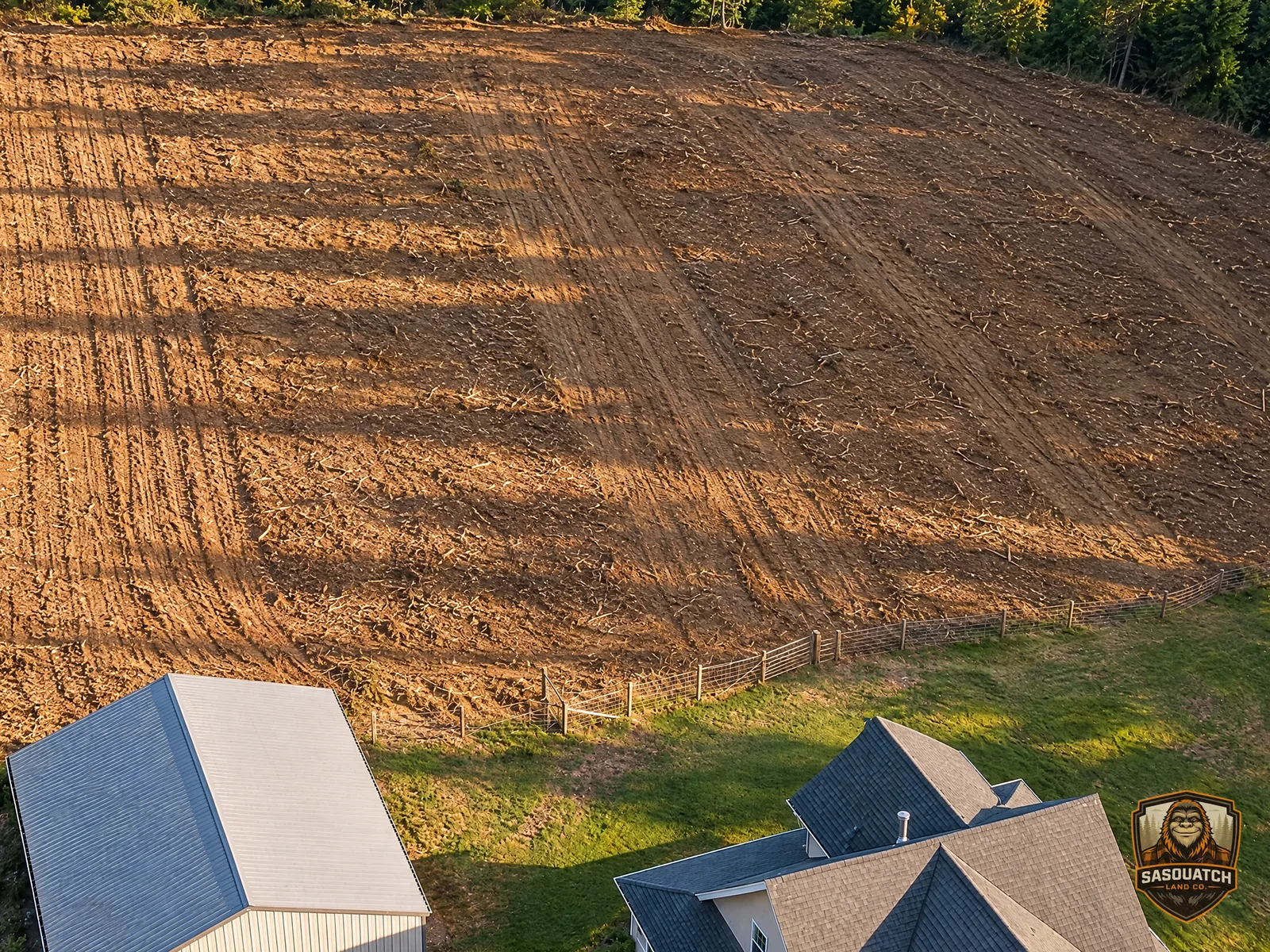
02
Scotch broom hillside mulched back to pasture
Same barn roof, same fence line. Scotch broom and brush were forestry-mulched off the slope so the pasture can come back.
What you get
01
Blackberry, scotch broom, cane thickets & saplings
02
Brush removal with nothing hauled off-site
03
Brush hogging & field mowing for open ground
04
HM416 mulching for woody brush and small trees
05
Tree and brush removal in one pass
06
Residential, agricultural & commercial
07
Annual maintenance passes available
08
Free on-site assessment, fixed price
The details · Brush Clearing
Everything you'd ask on the walk
Tap any topic to read it. Brandon covers all of it on your property, free.
Take Back Your Property from Overgrowth
Overgrown brush doesn't just look bad — it harbors pests, damages fencing and outbuildings, reduces property value, and makes your land unusable. In Western Washington's aggressive growing climate, a neglected property can go from manageable to impenetrable in a single season. Blackberry canes, scotch broom, salal, and fast-growing alder saplings can form dense thickets that no standard mower can handle.
Sasquatch Land Co. specializes in heavy-duty brush clearing across Snohomish, King, Skagit and Whatcom counties. We bring professional-grade forestry mulching and brush hogging equipment that chews through the thickest overgrowth, restoring your property to usable condition in hours — not weeks.
Common Brush Problems in Western Washington
Himalayan blackberry is the dominant invasive brush species throughout the Puget Sound lowlands. These aggressive canes grow 15–20 feet in a single season and form impenetrable thickets with root systems that extend 6–10 feet deep. Standard brush cutters and weed whackers are no match — you need industrial equipment to break through blackberry stands and process the woody canes into manageable mulch.
Scotch broom is another prolific invader, especially on disturbed soils throughout Snohomish and Skagit counties. This woody shrub grows rapidly in poor soils and produces thousands of seeds that remain viable in the soil for decades. Mechanical clearing followed by targeted management is the most effective approach.
Native brush species like salal, Oregon grape, and red huckleberry also require management when they encroach on cleared areas. While these plants have ecological value, they can overwhelm property boundaries, fence lines, and access roads if left unchecked. Our brush clearing services address both invasive and native overgrowth.
Our Brush Clearing Methods
We deploy two primary methods depending on the type and density of brush on your property. For heavy brush and woody vegetation up to 12 inches in diameter, we use our CAT 275XE with the HM416 forestry mulching attachment. This processes everything — canes, trunks, stumps, and root crowns — into fine mulch that stays on-site.
For lighter brush, tall grass, and open-field overgrowth, brush hogging with a heavy-duty rotary cutter is faster and more cost-effective. Brush hogging is surface vegetation management: it cuts dense grass, weeds, and light brush up to 3 inches in diameter and leaves a rougher stubble finish, which makes it ideal for pasture maintenance, field restoration, and annual upkeep. Forestry mulching with the HM416 is the deeper option — several inches into the surface layer with a finer, soil-forward finish.
Many properties require a combination of both methods. We typically mulch the heavy perimeter growth and use brush hogging for the interior — giving you the best results at the most competitive price.
Brush Clearing for Every Property Type
Residential properties throughout Everett, Marysville, and Lake Stevens frequently need brush clearing along property edges, behind outbuildings, and in neglected corners. We work carefully around structures, fences, and landscaping, clearing only the areas you specify.
Agricultural properties across the Skagit and Snohomish valleys rely on our brush clearing to maintain productive pastures and fence lines. We restore overgrown fields to grazing or farming condition, and our annual maintenance plans keep them that way.
Commercial and municipal properties in King and Snohomish counties use our services for right-of-way maintenance, stormwater facility clearing, and property management. We work with HOAs, property management companies, and municipalities on scheduled clearing programs.
Why Brush Clearing Matters in Western Washington
The Pacific Northwest receives 35–55 inches of rain annually, creating one of North America's most productive growing environments. This means brush regrows faster here than almost anywhere else in the country. A cleared lot in Monroe that goes unmaintained for 18 months will have 6-foot-tall alder saplings and dense blackberry filling in from every edge.
Regular brush clearing isn't just about aesthetics — it's about property protection. Overgrown brush crowds structures, attracts rodents and other pests, and causes damage to fences, driveways, and outbuildings. In fall and winter, heavy brush loads can redirect stormwater drainage and cause flooding on otherwise well-managed properties.
Property values in Snohomish County have increased significantly over the past decade. Maintaining cleared, usable land is one of the most cost-effective ways to protect and increase your property investment.
Prevent Regrowth After Clearing
Clearing brush is only half the battle — preventing regrowth is equally important. After clearing, we recommend establishing a ground cover strategy within 2–4 weeks. Native grass seed mixes designed for Western Washington's soil and climate conditions will fill in bare ground and compete with brush seedlings for light and nutrients.
For properties that need ongoing management, we offer annual brush hogging services that keep cleared areas maintained. A single pass per year — typically in late summer or early fall — prevents brush from re-establishing and keeps your property looking maintained year-round.
For blackberry-specific infestations, we recommend a two-phase approach: an initial pass where the mulcher works several inches into the surface layer to process canes and crowns — more thorough than surface-only mowing — followed by a targeted pass on any regrowth the next season. Himalayan blackberry can regenerate from deeper roots and seed, so that second visit is what locks in durable control.

Who You'll Meet
Meet Eric — Your Sasquatch Operator
Eric is the experienced operator you can expect to see running the machine on your property. He walks the scope with you first, protects the trees, fences, and features that should stay, and works toward one thing: clean, usable ground you can actually walk.
- Local Operator
- Licensed & Insured Team
- Real Project Photos
Ready to Get Started?
Free estimates within 48 hours. Most jobs completed in a single day. No hidden fees, no surprises.
Frequently Asked Questions
Brush Clearing FAQ
Areas We Serve for Brush Clearing
Looking for professional brush clearing near you? We work within about 45 miles of Snohomish, including these communities:
Get Your Free Brush Clearing Estimate
Call now or fill out our form for a free, no-obligation quote. Most estimates scheduled within 48 hours.
