Protect Your Property
Fire Prevention near Snohomish, WA
Create defensible space and reduce wildfire risk around your home with professional fuel reduction clearing. Following Firewise USA guidelines across Western Washington.
Wildfire Risk Is Growing in Western Washington
Wildfire is no longer just an Eastern Washington problem. Climate change, extended drought periods, and expanding development into the wildland-urban interface (WUI) have dramatically increased fire risk across Snohomish, King, Skagit, and Island counties. The 2020 Labor Day fires burned over 600,000 acres in Washington, including areas west of the Cascades that historically were considered low-risk.
Properties in the foothills east of I-5 — Arlington, Granite Falls, Sultan, Gold Bar, and the Lake Stevens highlands — sit in increasingly fire-prone zones. Dense, unmanaged vegetation around homes creates fuel ladders that allow ground fires to climb into the canopy and directly threaten structures. The solution is creating defensible space: a managed buffer zone around buildings where fire crews can safely work and fires lose their intensity.
What Is Defensible Space?
Defensible space is the area around a structure where vegetation and other debris have been managed to reduce fire intensity and provide firefighters a safe area to defend the home. The concept follows a zone-based approach endorsed by Firewise USA and the National Fire Protection Association (NFPA).
Zone 1 (0–5 feet from structures): Immediate zone — non-combustible materials only. Remove all vegetation, mulch, and debris from directly against the home. This is your most critical defense.
Zone 2 (5–30 feet): Intermediate zone — reduce fuel density significantly. Remove brush, thin trees to 10-foot canopy spacing, clear dead material, and eliminate fire ladders (vegetation that allows fire to climb from ground to canopy). This is where our forestry mulching is most impactful.
Zone 3 (30–100 feet): Extended zone — reduce the overall density and continuity of vegetation. Remove dead trees, thin brush, and create breaks in the fuel bed. On steep slopes, extend this zone further downhill, as fire travels faster uphill.
Sasquatch Land Co. specializes in creating and maintaining Zones 2 and 3 — the areas where heavy equipment makes the biggest impact in reducing wildfire fuel loads.
Our Fire Prevention Clearing Process
Every fire prevention project starts with a fuel load assessment. We evaluate your property's specific risk factors: slope angle and aspect, vegetation type and density, proximity to wildlands, prevailing wind patterns, access for fire apparatus, and water availability. This assessment informs a customized defensible space plan that meets Firewise guidelines while working with your property's natural features.
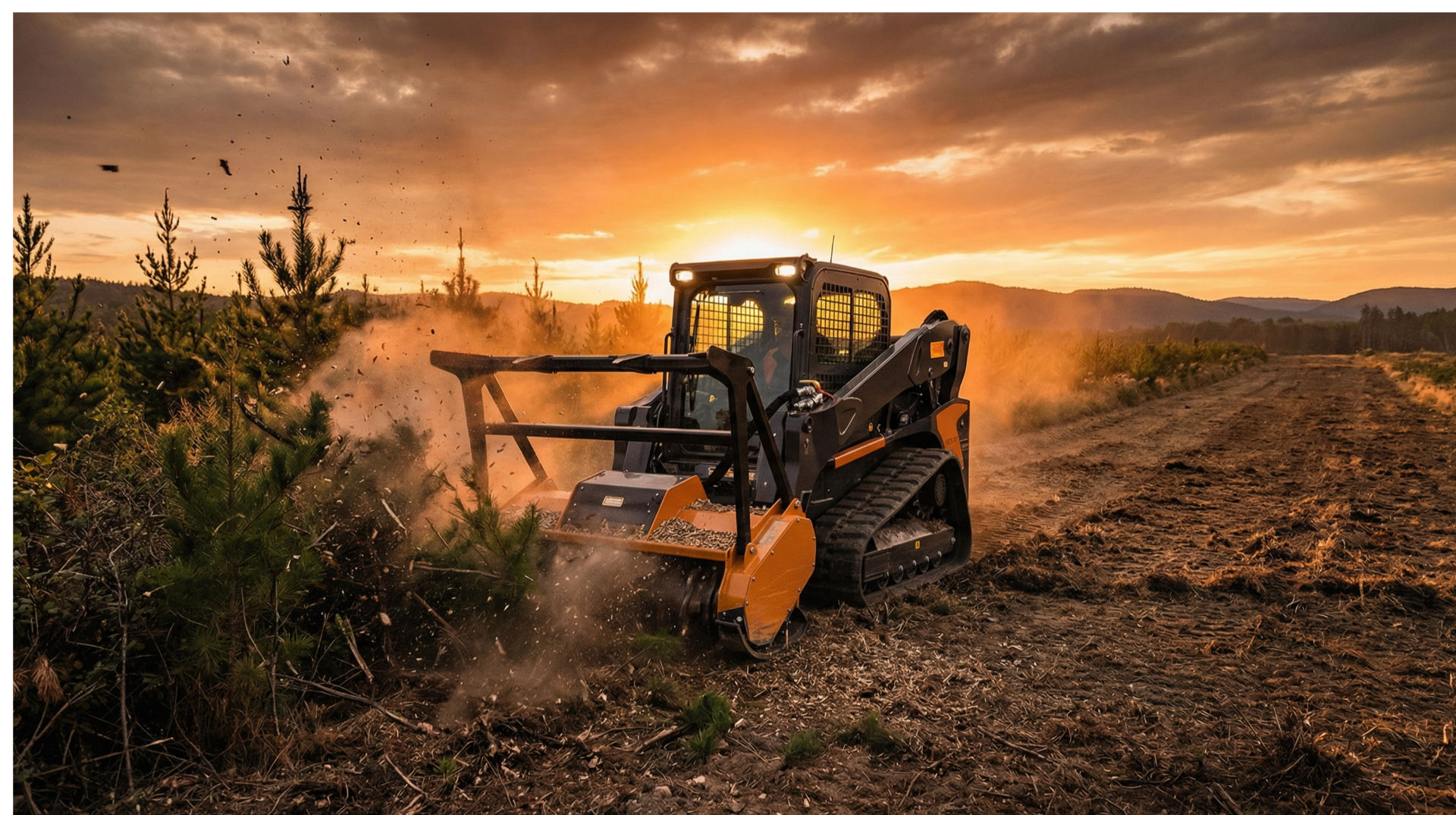
Our CAT 255 forestry mulching head is ideal for fuel reduction work. It processes dense brush, small trees, and dead material into a fine mulch layer that decomposes quickly and doesn't itself become a fire hazard. Unlike pile burning (which requires permits and creates air quality issues) or hauling (expensive and slow), mulching provides immediate fuel reduction with minimal environmental impact.
We create clean fuel breaks along property perimeters, driveway corridors, and around structures. Where you want to preserve trees for shade and aesthetics, we limb them up to 6–10 feet to eliminate fire ladders while maintaining canopy coverage. The result is a property that's both fire-resistant and visually appealing.
Fire Prevention for Rural Properties
Rural properties in the WUI face the highest wildfire risk and often have the most work required to create effective defensible space. Properties in Monroe, Sultan, Gold Bar, Granite Falls, and the foothill communities east of Lake Stevens typically sit on larger lots with dense second-growth forest pressing close to structures.
For these properties, we develop comprehensive fuel management plans that go beyond basic brush clearing. We create shaded fuel breaks along access roads to ensure evacuation routes stay passable during a fire event. We thin forest stands to reduce crown fire potential while maintaining the woodland character that drew you to rural living. We clear around propane tanks, wood piles, and outbuildings that can become secondary ignition sources.
Many rural property owners in our service area participate in Firewise USA community programs. Our clearing services help meet the annual fuel reduction requirements for Firewise recognition, and we can provide documentation of work completed for your community's records.
Cascade Foothills Fire Prevention
The Cascade foothills east of I-5 — Granite Falls, Sultan, Gold Bar, Index, Darrington, and the Lake Stevens highlands — carry the highest wildfire exposure in our service area. Steep terrain, dense conifer and blackberry understory, and hotter, drier late summers create real fuel-ladder risk around homes and outbuildings.
Our foothills fire prevention work focuses on ladder-fuel removal, thinning the understory beneath mature trees, pulling brush back from structures and driveways, and creating wide mulched fuel breaks that give crews a defensible anchor point.
Because forestry mulching leaves material on site as a compacted mulch layer, there is no burning, no slash piles, and no hauling — which matters where burn windows are short and access is tight.
Annual Maintenance for Lasting Protection
Defensible space isn't a one-time project — vegetation regrows, particularly in Western Washington's wet climate. We offer annual maintenance programs that keep your defensible space effective year after year. A typical maintenance visit includes re-clearing any brush regrowth in Zones 2 and 3, removing dead material and fallen branches, verifying Zone 1 is clear of combustibles, trimming tree limbs that have grown below the 6-foot clearance line, and updating your defensible space documentation.
Most maintenance visits take a fraction of the time and cost of the initial clearing. Properties that receive annual maintenance maintain their fire resistance with minimal disruption and expense. We recommend scheduling maintenance in late spring (May–June) before fire season begins.
Before & After
Fire Prevention Results
Real before-and-after results from Sasquatch Land Co. projects across Snohomish County and the surrounding region.
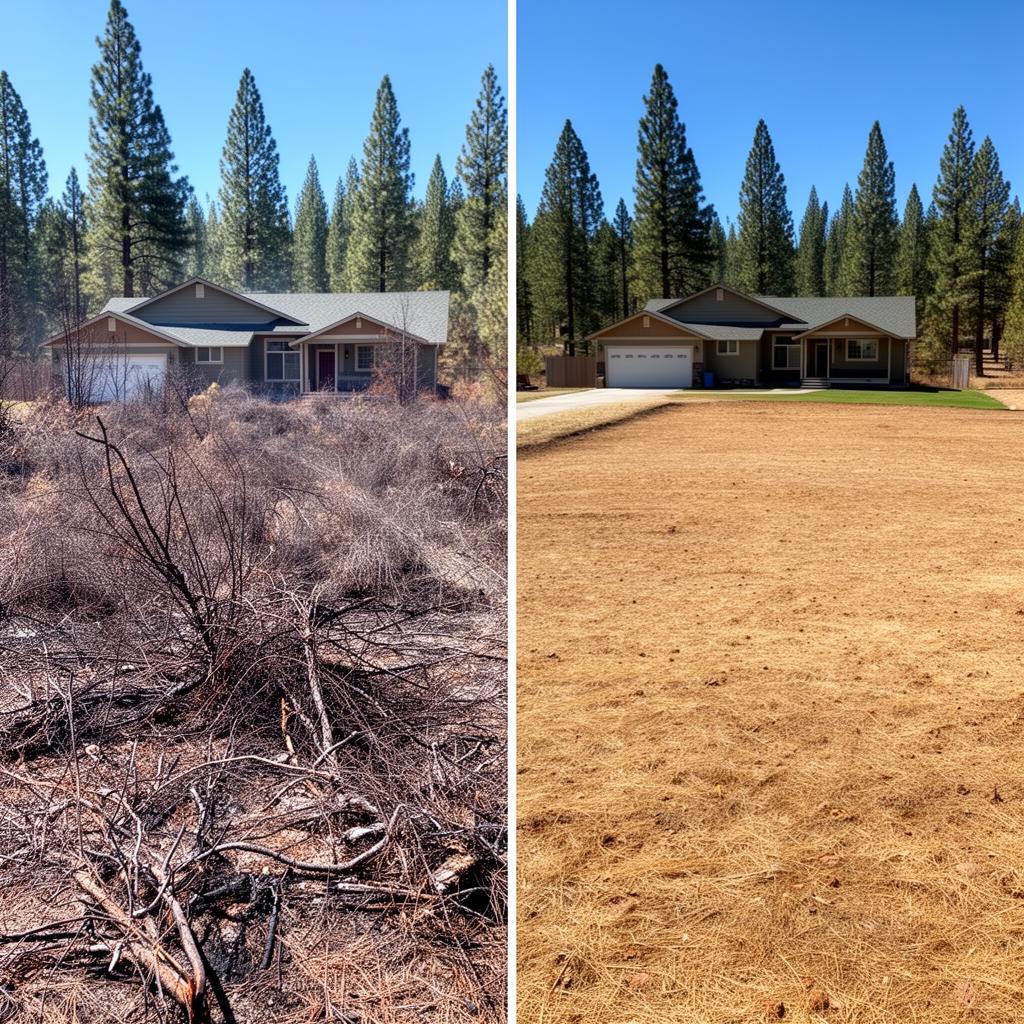
Defensible Space — Eastern WA
Dense dry brush cleared around home creating wide defensible space buffer for wildfire protection.
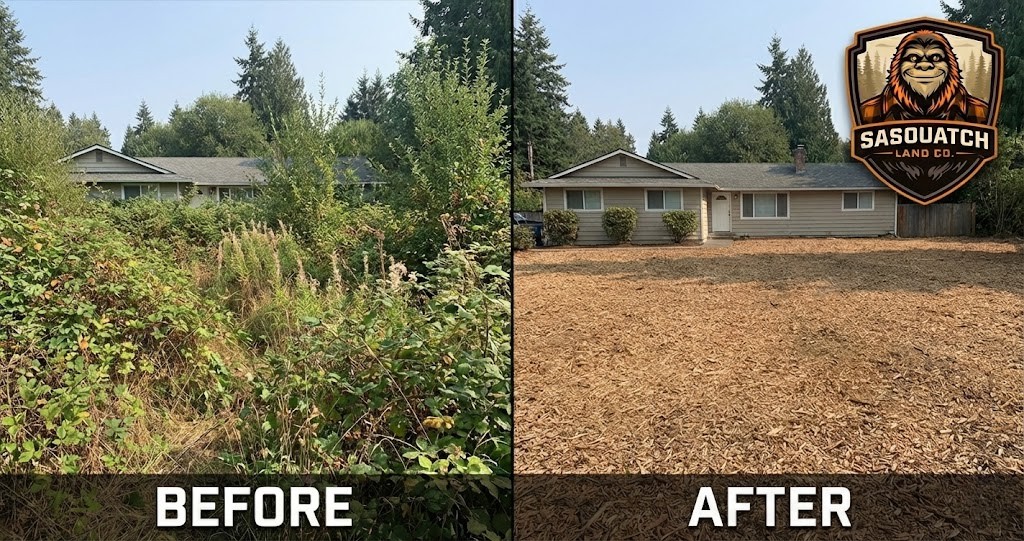
Fuel Load Reduction — Snohomish County Foothills
Dead trees and dry brush removed to reduce wildfire fuel load around residential property.
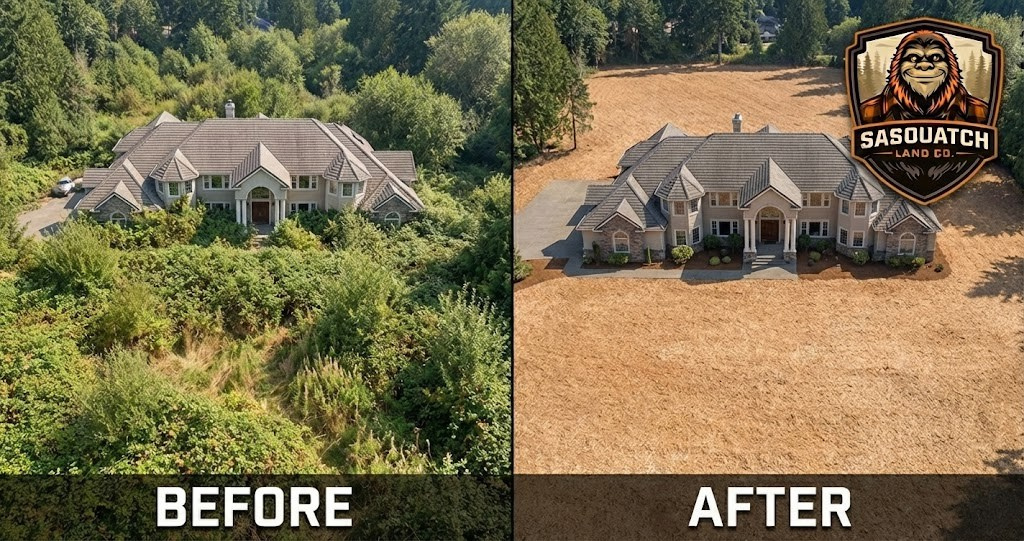
Firewise Compliance Clearing
Property cleared to meet Firewise USA defensible space guidelines for wildfire safety.
Ready to Get Started?
Free estimates within 48 hours. Most jobs completed in a single day. No hidden fees, no surprises.
Request Your Free QuoteFrequently Asked Questions
Fire Prevention FAQ
Areas We Serve for Fire Prevention
Looking for professional fire prevention near you? We work within about 45 miles of Snohomish, including these communities:
Get Your Free Fire Prevention Estimate
Call now or fill out our form for a free, no-obligation quote. Most estimates scheduled within 48 hours.