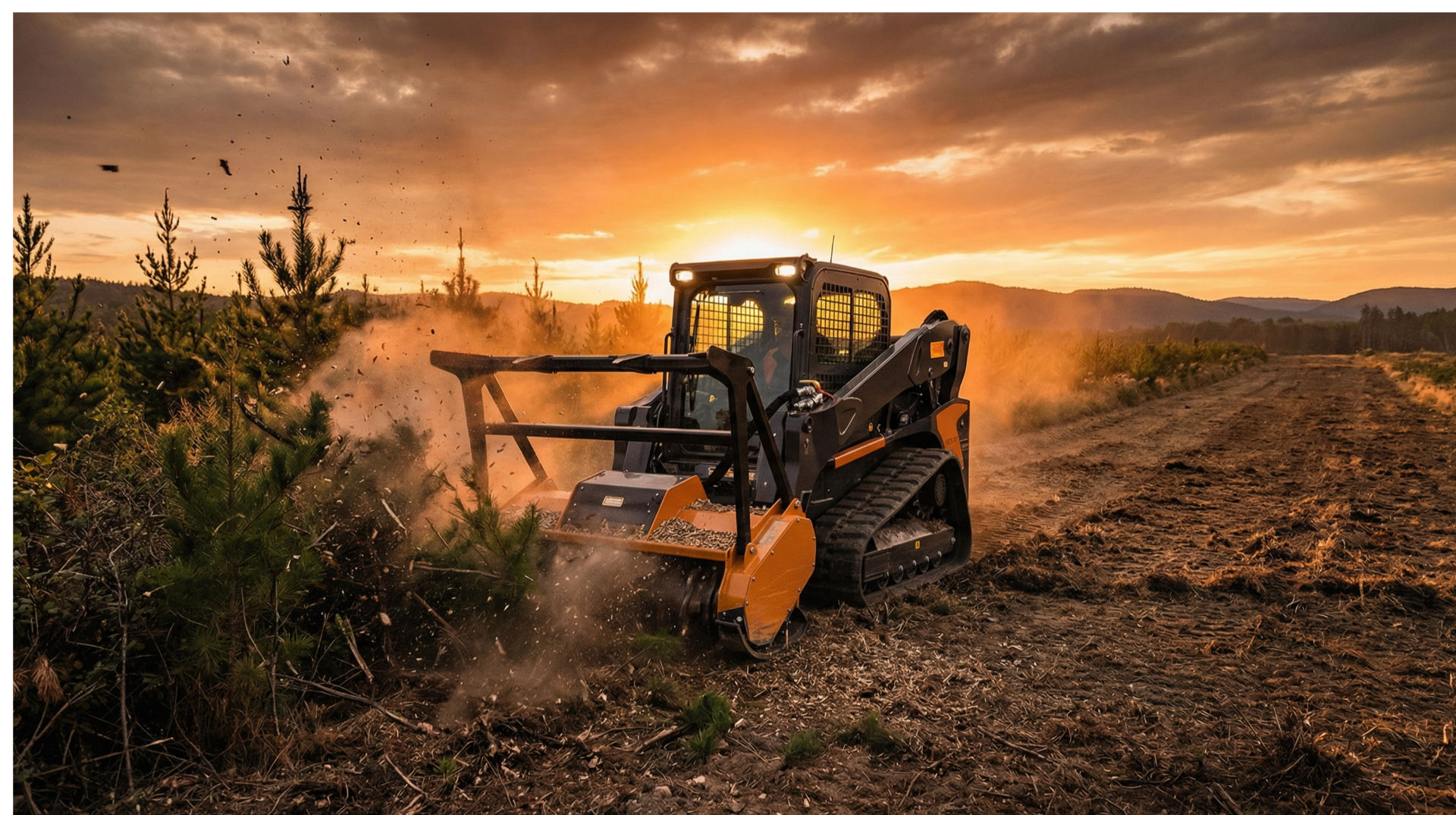
What the homeowner wanted
Get the fence line visible and reachable again, without burn piles or debris hauling.
How we did it
Forestry mulching in place. Vegetation processed where it stood and the mulch left on site as ground cover, with the head working several inches into the surface layer to reach cane bases and root crowns.
Vegetation on site
- Mature Himalayan blackberry canes, layered and partly dried
- Mixed brush along the fence line
- Standing cedar and evergreens above the work zone
Constraints we worked around
- Chain-link fence directly inside the work line — mulching head had to work up to it without contacting it
- Standing cedar snag and mature evergreens to protect
- Blackberry mass hid the actual ground surface until the first pass opened it up
What we preserved
- The chain-link fence
- Standing cedar and the surrounding evergreens
- Existing grade — no excavation, no soil hauled off
Before & after — same spot, same anchors
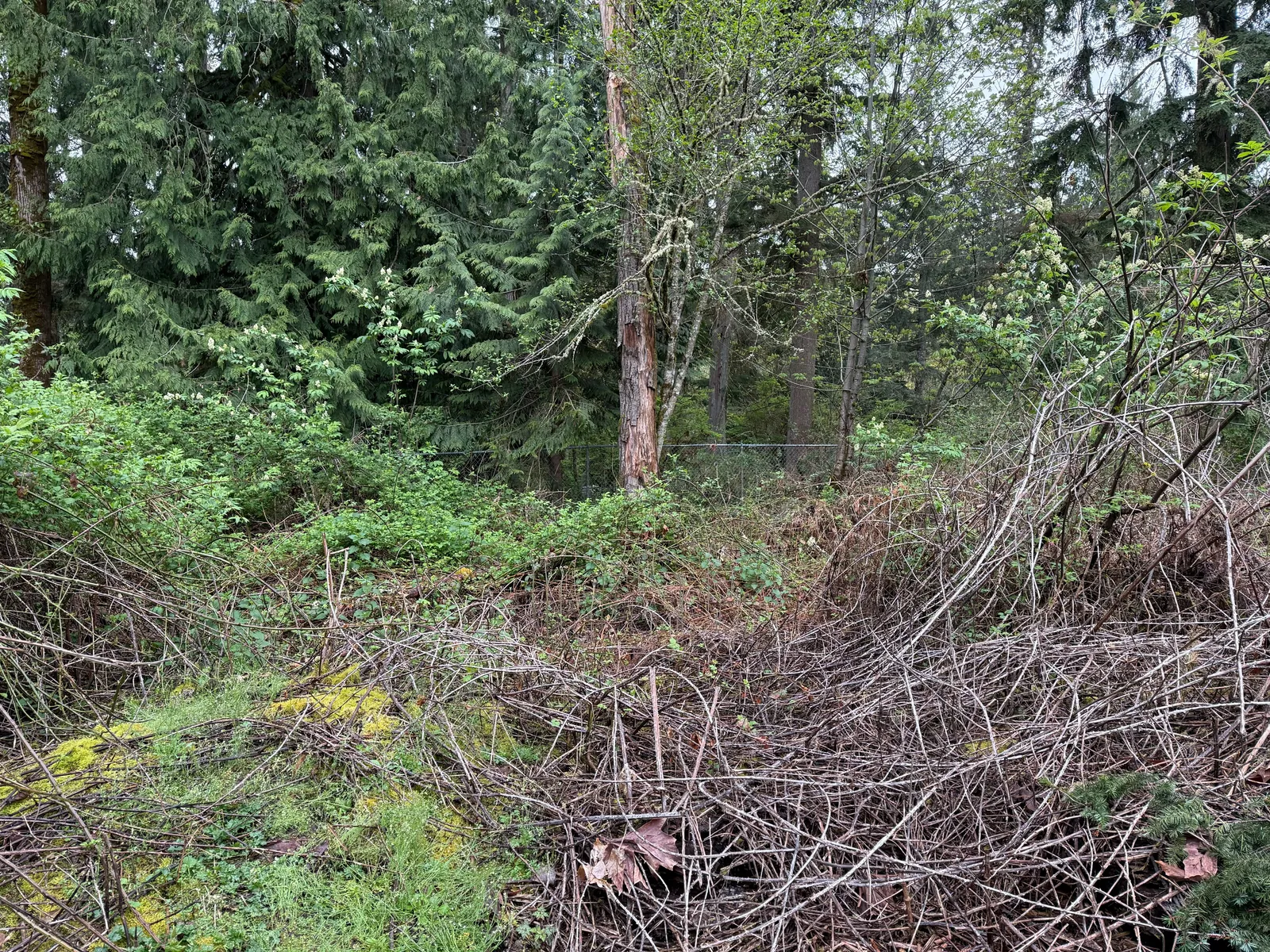
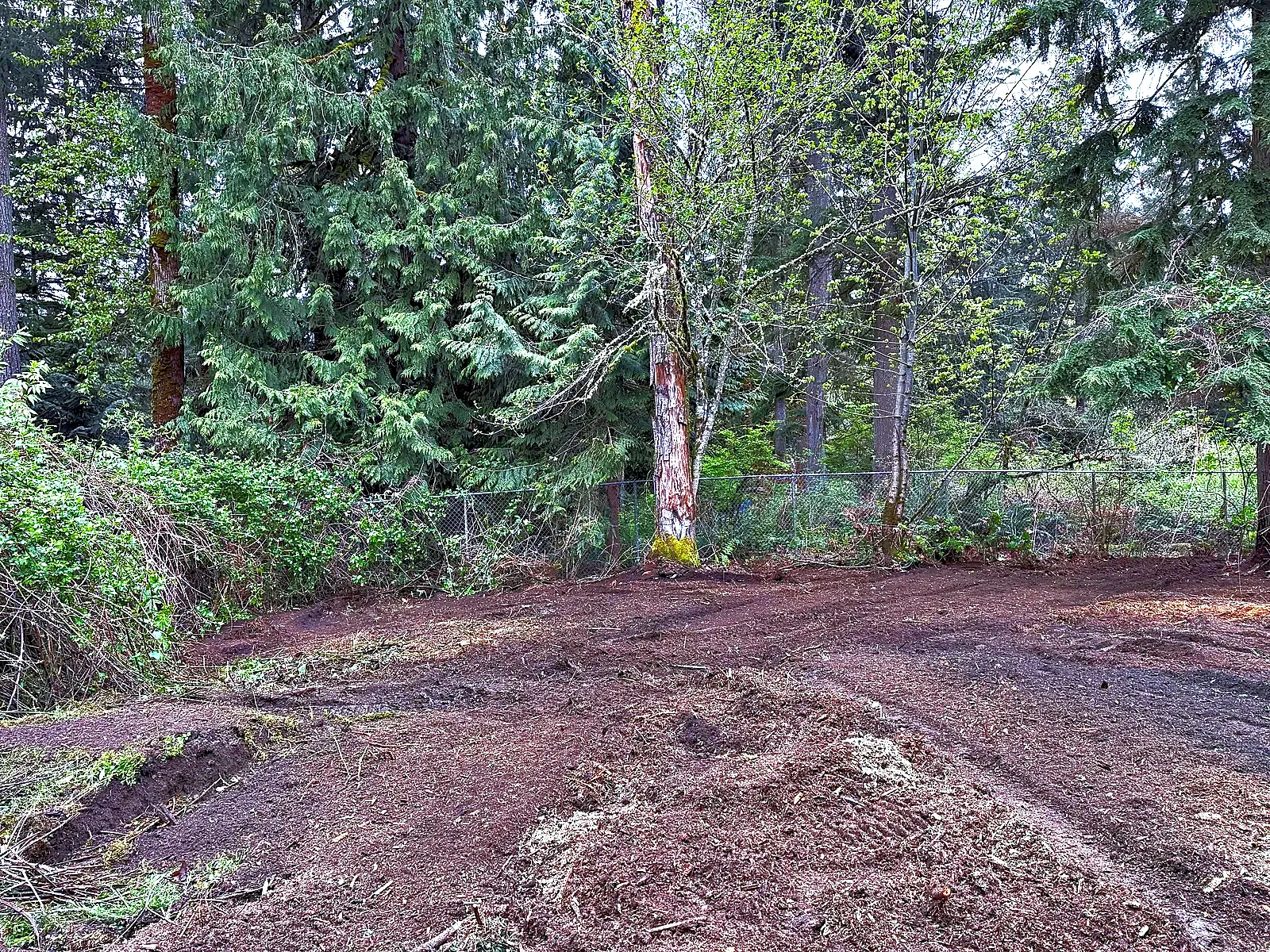
Same fence line and same cedar snag. The mulching head works several inches into the surface layer, so canes and root crowns get processed — more thorough than surface-only mowing. Blackberry can still regenerate from remaining root crowns or seed, so follow-up may be recommended.
You cannot see the ground until the first pass opens it up, so I work in from the fence and take it in layers. Getting the head a few inches into the surface layer is what separates this from mowing it off — the canes and crowns get processed instead of just being knocked down.
Outcome
The fence line is open, walkable and maintainable, with mulch left in place instead of burn scars or dump runs.
Limitations & follow-up
Mulching processes canes and much of the root crown mass, but it is not a chemical kill. Blackberry can return from surviving crowns and from seed in the soil, especially in the first two growing seasons. Plan on a maintenance pass or ongoing mowing to hold the line.
Who You'll Meet
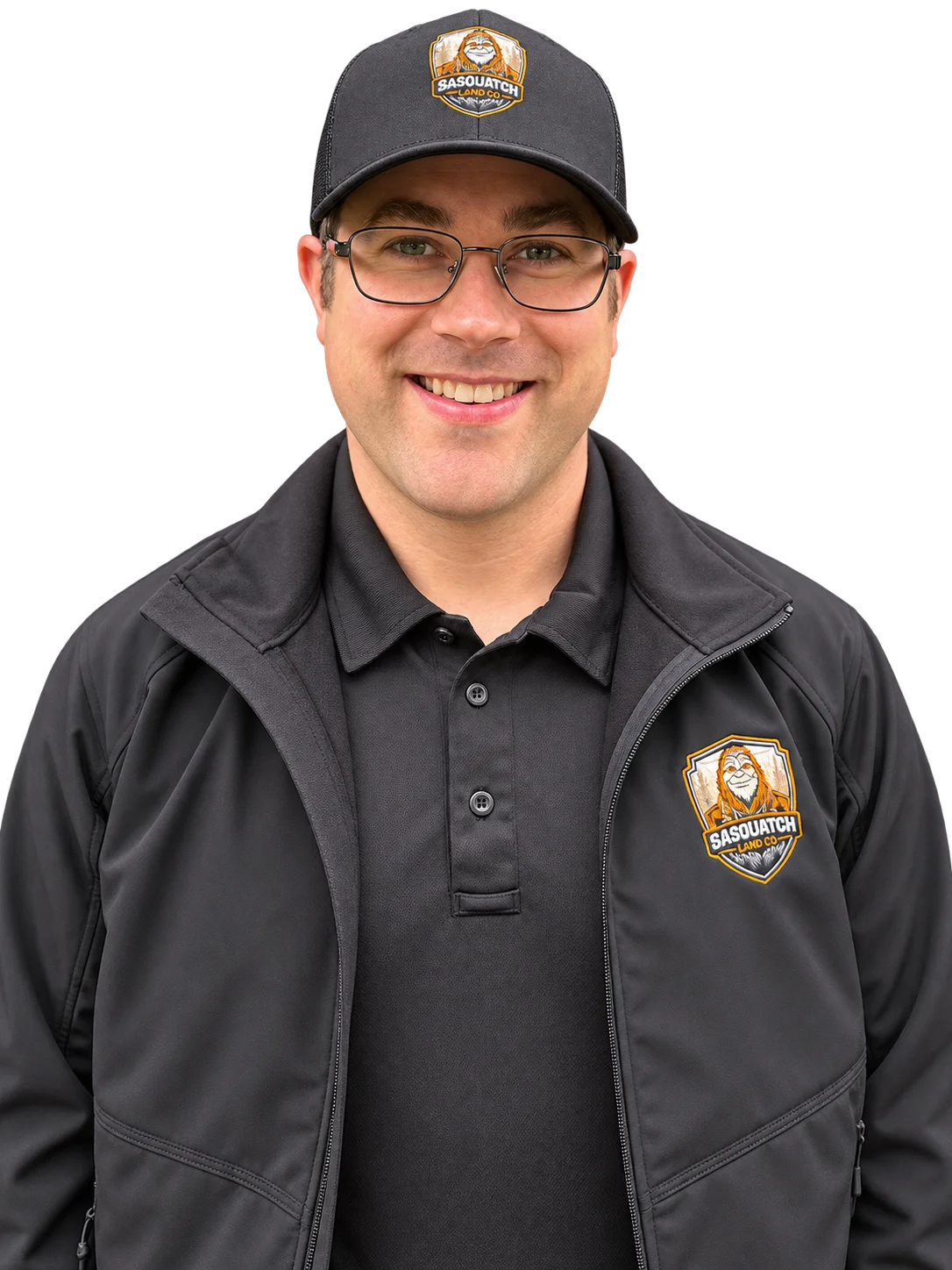
Meet Eric — Your Sasquatch Operator
Eric is the experienced operator you can expect to see running the machine on your property. He walks the scope with you first, protects the trees, fences, and features that should stay, and works toward one thing: clean, usable ground you can actually walk.
- Local Operator
- Licensed & Insured Team
- Real Project Photos